
I walked into the supermarket with the confidence of a person on a simple mission.
Cereal.
That was it.
One box of cereal.
Not gourmet cheese. Not discounted kitchen gadgets. Not mysteriously necessary seasonal decorations. Just cereal.
My daughter skipped beside me, clutching my hand with the kind of cheerful energy only small children and people who have never paid bills seem to possess. She was wearing sparkly shoes that lit up every time she stepped, which meant every aisle announcement was accompanied by what sounded like a tiny disco.
“Just cereal,” I told myself as the automatic doors opened.
That was my first mistake.
The entrance was bright, warm, and suspiciously inviting. Fresh-baked smells floated through the air like invisible cartoon fingers curling toward us. I had not planned to buy bread. I barely even needed bread. Yet suddenly I found myself wondering whether our house was tragically understocked in warm, crusty carbohydrates.
I resisted.
Barely.
I grabbed a basket instead of a cart, a decision I made with the arrogance of someone who believed physical basket size could somehow limit psychological manipulation.
My second mistake.
The cereal aisle, I assumed, would be easy to find. In my mind, supermarkets were logical places where breakfast foods lived in a predictable breakfast section.
Apparently not.
We passed fruit arranged like museum art. We passed flowers that looked emotionally manipulative. We passed a towering display of discounted snacks stacked so high it seemed less like a promotion and more like an architectural statement.
“Look, Daddy!”
My daughter had already spotted a rack of brightly colored fruit snacks placed at exactly toddler eye level. She held one up like she had discovered treasure.
“Not today,” I said.
She accepted this with surprising grace, which should have alarmed me.
I continued my cereal quest.
But supermarkets, I now realize, do not want you to go directly where you intend to go. They want you to wander. They want you to drift through carefully designed temptation zones where every turn whispers, “Since you’re here…”
So I wandered.
First, I somehow ended up in household cleaning supplies. Then frozen foods. Then pet supplies, despite not owning a pet.
By the time I found cereal, I felt like I had completed a fantasy quest.
And there it was.
An aisle so long it appeared to bend into another dimension.
Shelves stretched upward and sideways with hundreds of colorful boxes promising fiber, happiness, chocolate, health, adventure, or some suspicious combination of all four.
I came for one cereal.
Now I was making life choices.
The healthier options were placed either suspiciously low or inconveniently high, as though responsibility itself required physical effort. The sugary, brightly packaged cereals were directly at eye level, shining like jackpot machines.
My daughter gasped.
“Can we get this one?”
She pointed to a box featuring a cartoon animal who looked wildly overcaffeinated.
“No.”
“But it has a puzzle on the back.”
This was a strong argument.
While I negotiated with my tiny cereal lawyer, I noticed something else.
Granola bars.
Right next to the cereal.
Not somewhere random. Not in snacks. Here. Beside breakfast, positioned with psychological precision. Their placement suggested that buying cereal without granola bars was like buying shoes without socks.
And there it was.
A sign.
“Buy 2, Save More.”
This phrase is dangerous because it bypasses mathematics and goes straight for emotion.
I only needed one cereal box.
Yet suddenly buying one felt irresponsible. Buying two felt strategic. Buying three felt like I should probably own a spreadsheet.
So I bought two cereals and granola bars.
Victory for the supermarket.
As I placed them in my basket, I noticed yogurt cups nearby.
Of course.
Because what goes with granola?
Yogurt.
I had entered a food ecosystem.
Soon I was mentally assembling wholesome breakfasts for a family that usually ate toast while standing.
Into the basket went yogurt.
At this point my daughter, sensing weakness, launched phase two.
She spotted a display of novelty straws, mini pancakes, and snack packs positioned near breakfast essentials but clearly designed to exploit parental fatigue.
“Please?”
She used the voice.
The one that sounds like innocence wrapped in hope.
I said no.
Then maybe.
Then somehow yes.
Now we had cereal, granola bars, yogurt, novelty straws, and snack packs.
Still no regret.
Yet.
We moved on, but the supermarket was not done.
End caps.
Those deceptive displays at the end of aisles are not random. They are retail ambushes.
One featured an enormous “limited time offer” sign for chocolate spread.
Did I need chocolate spread?
Absolutely not.
Did the sign suggest this was a once in a lifetime financial opportunity?
Absolutely.
Into the basket.
By now, carrying the basket had become physically painful. Its increasing weight mirrored my collapsing discipline.
So I upgraded to a cart.
This is the moment everything truly unraveled.
A cart does not just carry groceries.
It carries possibility.
With newfound basket space, I became reckless.
My daughter requested juice boxes because “they have vitamins.”
Technically true.
I added them.
I spotted discounted cookies “for school lunches.”
We do not pack school lunches often enough to justify this logic.
I added them anyway.
Then came the bakery section.
I maintain that supermarkets should not be allowed to pipe bakery smells through ventilation systems. It feels unfair.
We bought pastries.
Plural.
Time became strange. I had entered what I can only describe as retail hypnosis. There were no windows. No clocks. Just fluorescent lighting and carefully curated urgency.
I had been inside for what felt like twenty minutes.
It had been over an hour.
An hour.
For cereal.
Eventually, we approached checkout, where I believed the danger had ended.
This was adorable optimism.
Checkout lanes are where supermarkets deploy their final psychological assault.
Candy.
Magazines.
Tiny toys.
Batteries.
Lip balm.
Mints.
Everything arranged for maximum impulse under the universal condition of waiting.
My daughter spotted a small toy attached to sugary candy with the precision of a heat seeking missile.
“Daddy…”
I was tired.
My willpower had the structural integrity of wet tissue paper.
“Yes.”
Then I saw discounted gum.
Did I specifically need gum?
No.
Did checkout line boredom convince me I was one breath away from a social disaster without it?
Apparently.
I added gum.
Then bottled water because somehow I was suddenly thirsty.
Then a promotional snack because it was “only a little more.”
By the time my items reached the conveyor belt, I watched them pile up with detached disbelief.
Cereal had become an origin story.
The cashier scanned item after item while I stood there like a man witnessing the consequences of his own decisions in real time.
My daughter happily hugged her bonus snacks.
I stared at the total.
It was not catastrophic.
It was worse.
It was confusingly high in the exact way that made me think, “Well, I guess we did get useful things…”
That is how they get you.
Nothing felt individually outrageous. Every decision seemed small, logical, even justified.
But together?
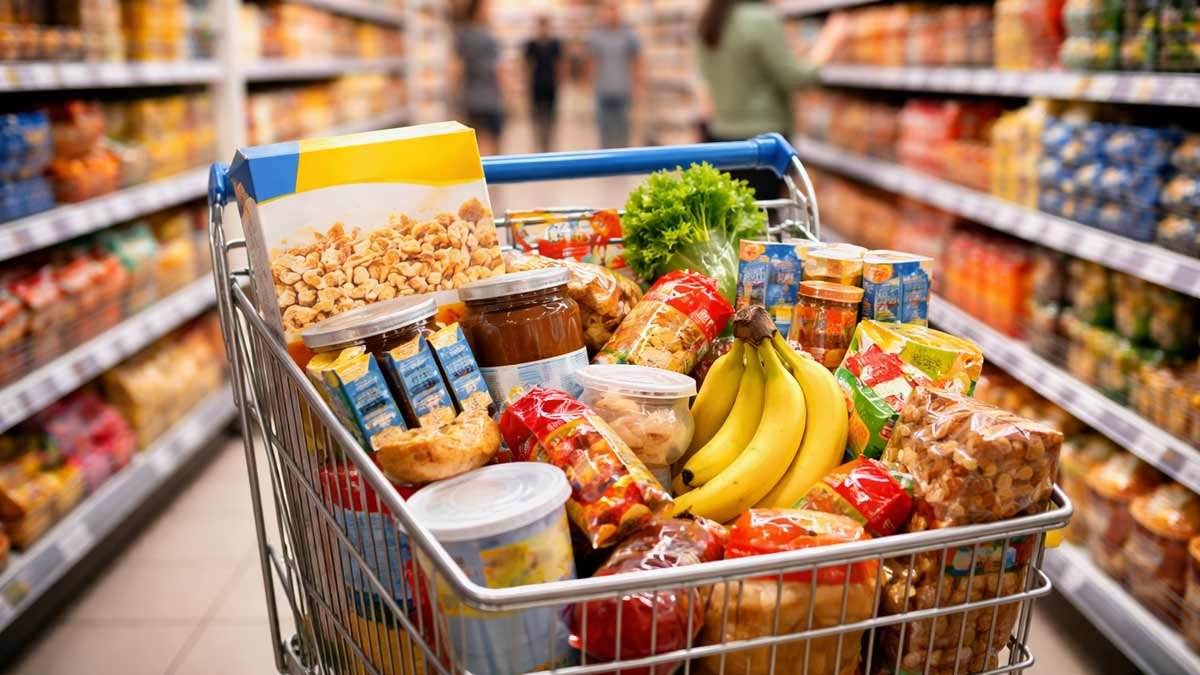
I had entered for cereal and exited with enough groceries to suggest mild emergency preparedness.
As we left, pushing our overloaded cart into daylight, I realized I had been expertly guided through a masterclass in supermarket psychology.
Strategic layouts delayed my mission.
Product adjacency encouraged related purchases.
Discounts made me buy more than I planned.
Child level placements recruited my daughter as an unpaid sales consultant.
Checkout displays squeezed out my final resistance.
I looked at my daughter, happily munching on something I never intended to buy.
“Did we forget the cereal?” I asked.
She checked the bags.
“Nope.”
At least there was that.
Now, whenever I go shopping for one thing, I approach supermarkets the way explorers approach dangerous jungles.
With caution.
A list.
And preferably without my daughter’s sparkly shoes.
Because supermarkets are not merely stores.
They are obstacle courses designed by behavioral experts who understand human weakness better than most humans do.
And sometimes, all it takes is one innocent box of cereal to discover just how fragile your shopping intentions really are.

Gabriel Comanoiu is a digital marketing expert who has run his own agency since 2016. He learned marketing by testing, analyzing, and refining campaigns across multiple channels. In his book series Impulse Buying Psychology, he shares the psychological triggers behind every purchase, showing how to create marketing that connects, persuades, and converts.