
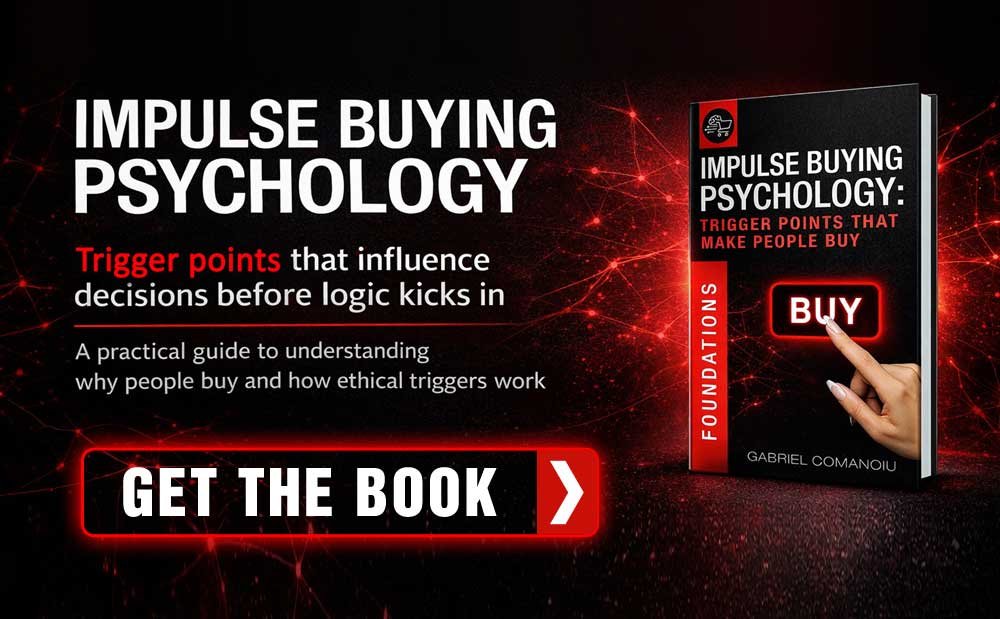
Impulse Buying Psychology gives you a clear look at the forces that drive quick purchase decisions. You see how attention, emotion, perception, memory, and expectations shape the way you respond to products, messages, and offers. You get practical explanations of the triggers that guide fast choices and the patterns that repeat across platforms and categories.
You learn how your attention shifts when you scroll a feed, enter a store, or open a message. You discover how small cues influence you. A colour, a number, a phrase, or a layout can change your sense of value. Research in consumer behaviour shows consistent links between these cues and purchase rates. You can review these findings here in plain language.
Emotion plays a large role in your decisions. Studies in behavioural science show that emotional states change risk tolerance, speed of choice, and product preference. You will see how marketers use emotional cues to shape timing and intensity. You can follow the source research step by step so you know what is proven and what remains uncertain.
Impulse buying often grows from mental shortcuts. These shortcuts help you act fast when you face limited time or limited attention. They can also push you toward choices you would not make with longer reflection. This site explains the most studied shortcuts in consumer behaviour and shows you practical examples from digital and offline settings. You can apply the insights to evaluate your own decisions or to build ethical marketing strategies.
The site focuses on facts that you can verify. Each section gives you clear explanations based on published studies. You get calculations when numbers appear. You see the reasoning when evidence has limits. You get direct language so you can check every statement with the source research.
If you sell products or services, you can use this site to understand the factors that shape buyer behaviour. You can use these insights to guide creative choices, improve clarity, and reduce friction. If you want to understand your own impulses, you can learn which cues affect your speed, your attention, and your sense of reward.
Impulse Buying Psychology gives you a structured way to study the triggers that influence decisions. You can use the information to build better systems, make better choices, and understand consumer behaviour with precision.
Latest Knowledge
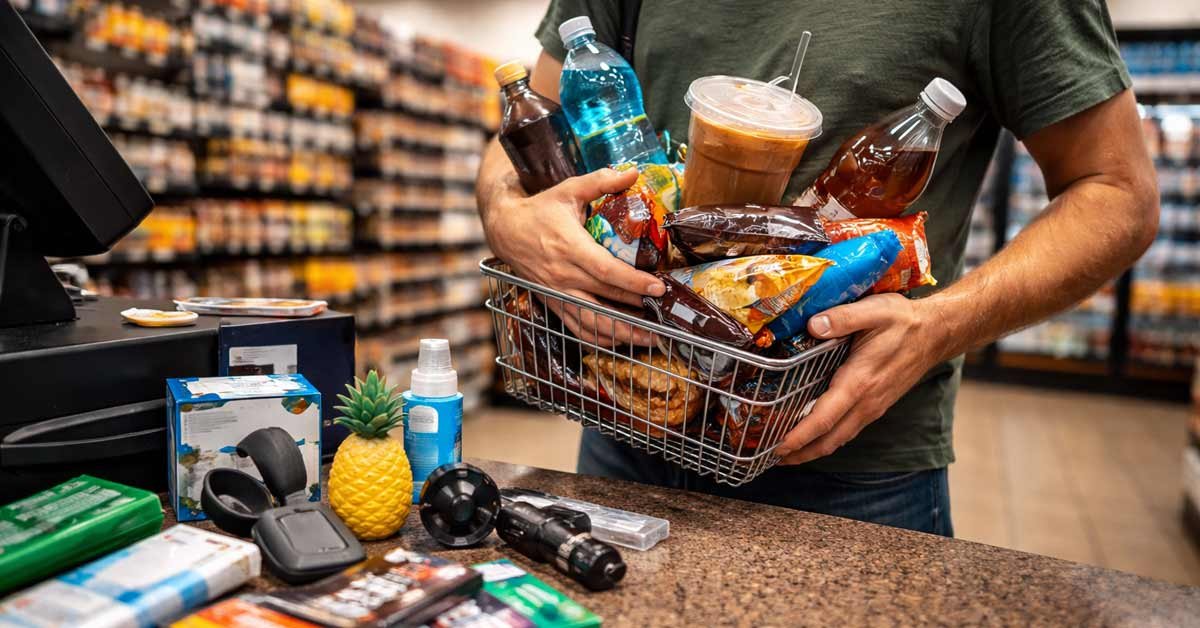
I pulled into the gas station with one mission: buy fuel, maybe use the restroom, and get back on the road before my patience…
Read More >>> The Gas Station Pit Stop That Cost Like a Mini Vacation
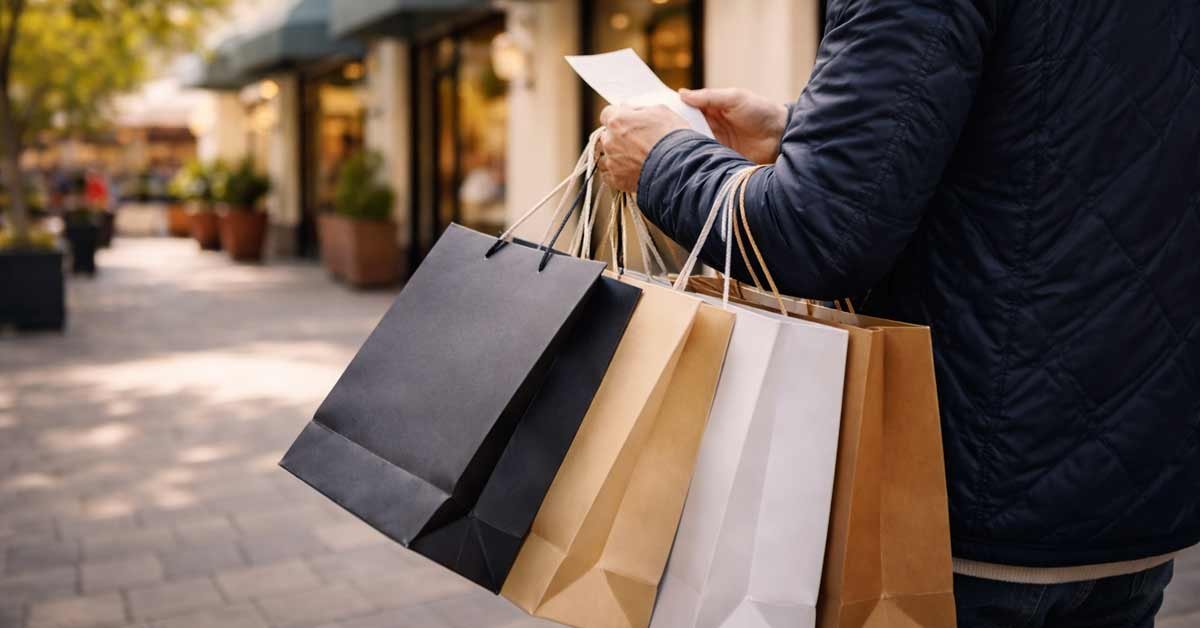
I went to the luxury outlet to save money. That sentence deserves to be preserved somewhere between “I’ll just have one cookie” and “I…
Read More >>> The Luxury Outlet Savings Scam That Cost Me More
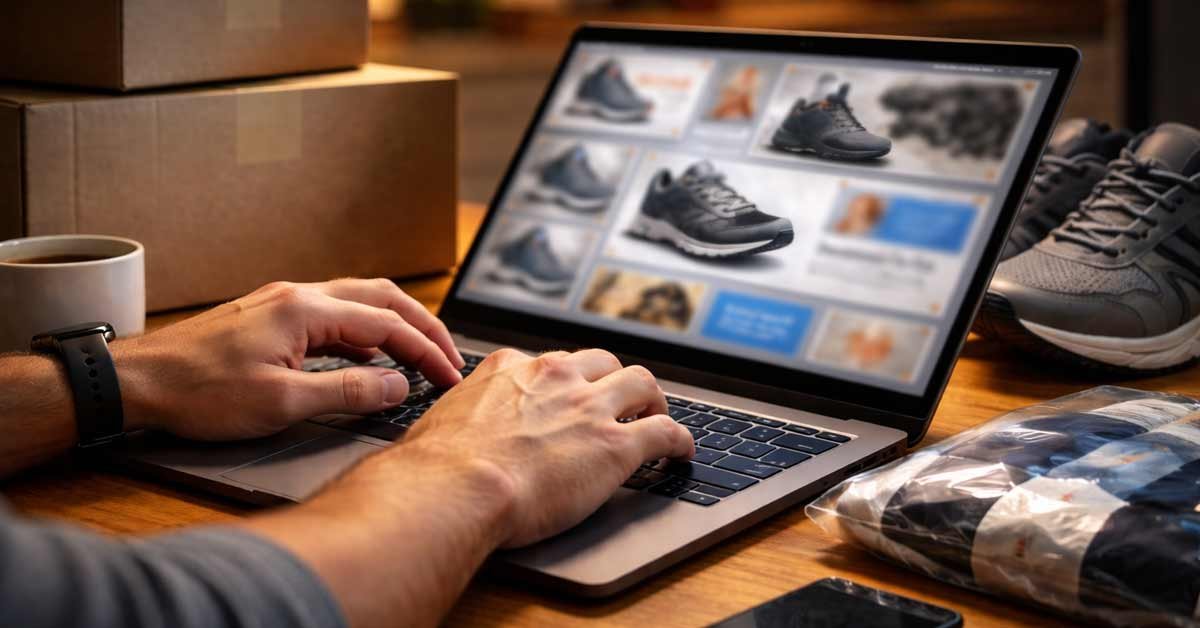
It started at 9:07 PM. I know this because I checked my phone with the confidence of a man on a simple mission. I…
Read More >>> My Five-Minute Online Shopping Trip That Became Midnight Chaos

At 43, I should know better. I am old enough to recognize a trap when I see one. I have lived through late night…
Read More >>> The Bookstore Browsing Mistake That Cost Me More

I went into the pharmacy for toothpaste. That was it. One tube. Minty. Basic. Adult. I was a regular man on a simple errand.…
Read More >>> The Pharmacy Trip That Somehow Became a Wellness Crisis

I walked into the supermarket with the confidence of a person on a simple mission. Cereal. That was it. One box of cereal. Not…
Read More >>> The Cereal Mission That Turned Into a Cart Full of Chaos