
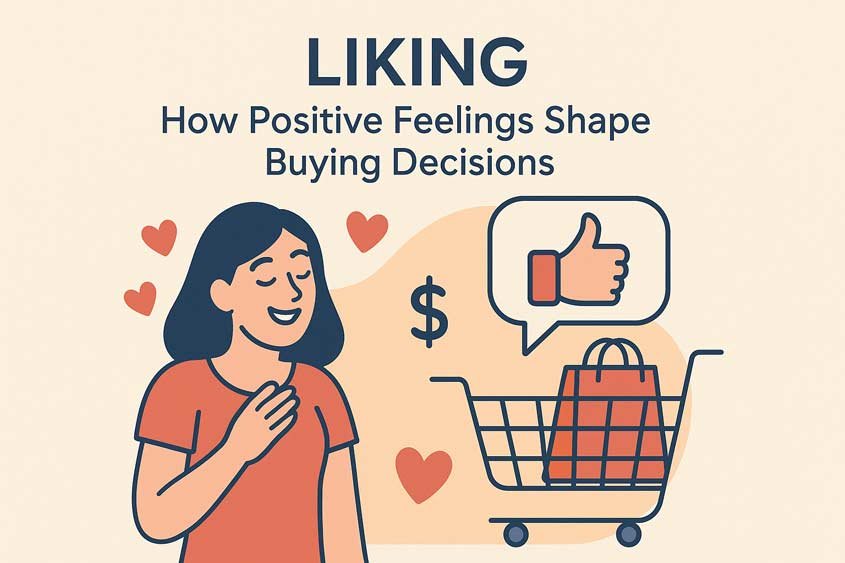
Positive feelings run the show much more than people want to admit. You think you buy because the features are solid or the deal is smart. Sometimes that’s true. Most of the time, though, there is something else whispering in the background. Liking.
That warm response you get toward a brand, a message, a person, or even a color. It nudges your decisions in ways you barely notice. And in marketing psychology, Liking is one of the most reliable, stubborn, and quietly powerful triggers you will ever work with.
Table of Contents
If you have ever chosen a product simply because the ad made you smile or because the person presenting it felt relatable, you already know what this trigger looks like in the wild. Humans lean toward what feels good. When something or someone makes you feel safe, understood, appreciated, or simply entertained, you soften. Your resistance drops. You open up to the idea of buying.
Marketers know this. They rely on the emotional pull created by familiar faces, friendly tones, humor, empathy, warmth, or visual charm. They do it because Liking influences your behavior even when you think you are acting logically. You can see this in many categories of marketing triggers, especially those tied to social and group influences. Liking is right there along with Authority, Familiarity, and Shared Identity. The moment you feel a bond, even a tiny one, the sales path gets smoother.
Think of how you react when your favorite creator recommends a product. Even before you check specs or compare prices, you already feel closer to the idea of saying yes. You trust them. You enjoy their energy. That positive association gets glued onto the product. This is Liking in action. Not forced. Not manipulative. Just deeply human.
It works the same in everyday interactions. You meet two people selling the same service. One speaks in a rushed, cold tone. The other listens to you, cracks a small joke, and makes you feel at ease. Guess who gets the sale. You tell yourself it is because they explained things better. But often, that explanation only felt better because you liked them.
Liking is not about tricking people. It is about the honest power of human connection. When a brand shows warmth, humor, or authenticity, you gravitate toward it. When a message reflects your values or makes you feel seen, you lean in. And when a product feels tied to a good moment or a good person, you treat it more gently in your mind.
This is why so many companies invest in personality centered branding. You see it in cosmetics, where brands talk like friends. You see it in food packaging that looks cute or comforting. You see it in tech ads that use humor to reduce intimidation. Even in luxury, where the tone is more reserved, the feeling is still there. You are meant to feel pleasure just looking at the product. Beauty is Liking through aesthetics.
You might notice how this overlaps with other triggers like Social Proof or Storytelling. They often appear together because they feed the same emotional circuits. A well told story makes you feel connected. Social Proof makes you feel aligned. Liking rides that wave and gives the final push.
The interesting thing about Liking is that it works across cultures, generations, and product types. A friendly face in a cleaning product ad can influence a parent in the same way a cool influencer can sway a teenager buying headphones. The mechanism is universal. People support what they enjoy and trust what they like.
But this trigger is not only about individual personalities. It can be about design. About tone of voice. About emotion packed moments. A simple visual detail such as softer colors or inviting textures can make something feel more likable. Even tiny details matter. A brand that looks too sharp can feel cold. A brand that looks too childish can feel unserious. But a brand that feels just right earns an instant emotional yes.
You see the same pattern with retail spaces. Stores that feel warm, calm, or energizing change your buying behavior. You stay longer. You browse more. You buy more. You justify it by saying you found great deals. Sometimes the real reason is that the place simply felt good. Your mind matched the space with comfort. Comfort leads to decisions.
In many ways, Liking is the foundation for everything else. You cannot build Authority without some level of Liking. You cannot create Persuasion through Scarcity if people find your brand annoying. You cannot rely on Reciprocity unless the interaction feels fair or pleasant. Liking enhances every other trigger. It turns cold strategy into a human connection.
You can even see Liking operate when people know exactly what is happening. A viewer might say, I know this is just a cute ad, but it works on me every time. Awareness does not cancel emotion. Humans are wired to respond to warmth because warmth signals safety, and safety allows decision-making without fear.
If you are a marketer, understanding the Liking trigger is like unlocking a shortcut. You stop trying to push customers with pressure tactics. You focus on building positive feelings. You speak to them in a tone that feels human. You design visuals that spark curiosity or comfort. You choose ambassadors who already feel likable, not just famous. And suddenly, your customer journey feels natural instead of forced.
You can think of Liking as a silent partner in persuasion. It rarely makes the entire sale by itself, but it shapes the emotional ground where the sale happens. A brand that people like gets forgiven for mistakes. It gets talked about more. It gets chosen even when other options look similar.
Before we go deeper, pause for a second. Think about the last product you bought just because it felt right. Chances are Liking was part of that moment.
The Core Idea Behind Liking
Liking is one of the most direct emotional shortcuts people use when they make buying decisions. At its core, it means you feel a positive response toward a brand, a spokesperson, a product design, a message, or even a specific moment created in an ad. That simple positive feeling changes how you interpret everything that follows. You relax. You open up to the offer. You judge the product more kindly. You give the brand more attention than others.
You see this pattern everywhere. When you like someone, you trust them faster. When you like the tone of a brand, you listen longer. When you like how a product looks or sounds, you treat it as a stronger candidate before you even compare prices or features. The Liking trigger influences the early stages of decision making, but it also shows up during evaluation and final choice. It shapes how you interpret information, how optimistic you feel about the product, and how much risk you are willing to accept.
Marketers place this trigger inside the category of social and group influences because it relies on emotional reactions that come from human connection. Even when the connection is manufactured by a brand identity, a character, or a specific style, the effect is still deeply social. You feel as if the brand understands you. You respond with warmth. That warmth becomes persuasion.
In consumer psychology, Liking is considered a low resistance trigger. It works without forcing the user to think hard. Positive feelings reduce mental friction. People prefer messages that feel pleasant, products that feel friendly, and brands that feel human. You do not need deep analysis to decide that something feels good. You just notice the reaction and move toward it. This is why Liking appears in so many classic persuasion frameworks. It has been studied for decades through experiments on attraction, similarity, familiarity, and emotional resonance. Researchers found the same pattern across many studies: positive feelings increase compliance, agreement, and purchase intention.
The trigger works through several pathways. One pathway is similarity. When a brand mirrors your interests, humor, values, or lifestyle, you feel closer to it. You treat it like an ally. Another pathway is warmth. When communication feels friendly or caring, you respond with trust. A third pathway is attractiveness, which does not mean physical beauty alone. It can mean charming design, engaging writing, or a personality that feels vibrant or comfortable. All these forms of attractiveness enhance Liking.
This positive feeling does not need to be intense. Even mild positivity changes behavior. If a brand makes you feel neutral, you might leave. If it gives you a small lift or a quick smile, you stay. That extra attention gives the brand a wider window to persuade you. It shapes your memory too. People remember things that feel nice. They forget things that feel blank.
Liking influences judgment by shifting the frame you use when evaluating a product. When you like a source, you assume their message is more accurate. You assume the product they show you has better quality. You assume the experience will be smoother. These assumptions may not be rational, but they happen consistently. This is why many brands invest in spokespeople who feel relatable or trustworthy. They want to transfer the positive feelings you have for the person onto the offer.
This is also why Liking works well with other buying triggers. For example, when combined with Social Proof, it makes group approval feel even stronger. When combined with Authority, it makes expertise feel more approachable. When combined with Familiarity, it creates a sense of safe recognition. Each connection builds on the same emotional response: you prefer what feels pleasant and aligned with who you are.
In real marketing situations, Liking influences everything from click through rates to final purchases. A friendly headline increases the chance that you read the first paragraph. A warm tone in a video increases the chance that you watch until the end. A likable brand personality increases the chance that you compare products longer instead of leaving right away. These small shifts accumulate and change outcomes.
Design plays a large role in generating Liking. Clean layout, balanced colors, and a calm visual flow produce positive reactions. A cluttered layout does the opposite. Even the choice of font affects your emotional response. People tend to like designs that feel clear and stable. That feeling leads to smoother navigation and easier decision making. You might think you chose a brand because it had better features, but often you just liked how everything looked and felt.
Tone matters too. Many brands use conversational language because it creates a sense of closeness. When a brand speaks like a distant institution, users disconnect. When a brand speaks like a real person, Liking increases. Humor works in certain industries because it adds emotional lift. Warmth works in others because it signals care. Even a small acknowledgment of the user’s needs can boost Liking significantly.
Another part of this trigger is authenticity. When a brand feels honest, consistent, and human, people like it more. Authenticity makes communication easier to trust. When a brand feels artificial or forced, users push back. That pushback shows how powerful this trigger is. When Liking increases, everything else becomes easier. When Liking drops, everything becomes harder, no matter how strong the product is.
Importantly, Liking does not mean manipulation. At its best, it is simply the result of positive human interaction between a brand and its audience. When a product genuinely solves a problem, and the messaging feels good, users naturally move toward it. They are not tricked. They are responding to an emotional signal that matches their experience.
Liking also shapes long term loyalty. When people like a brand, they forgive small mistakes. They give second chances. They keep buying even when alternatives appear. This effect is clear in markets like skincare, food, fashion, software, and home products. Once you develop a positive emotional bond, replacing that brand becomes harder. The connection feels personal.
You can think of Liking as the invisible glue that holds together a buyer’s emotional map. It binds attention, trust, and curiosity into one reaction. Without Liking, you can still make a sale, but the process is slower and heavier. With Liking, the decision feels natural.
At this point, you can clearly see what the Liking trigger is: a positive emotional response that influences trust, attention, evaluation, memory, and purchasing. You can also see what it affects: the way people listen, compare, explore, and commit.
How This Trigger Operates
When it comes to marketing, understanding why people like certain products, brands, or even sales messages is more than just noticing smiles or catchy slogans. The Liking trigger operates on a deep psychological level, shaping decisions without your conscious awareness. It’s not just about a fleeting feeling—it’s about creating a positive connection that nudges someone closer to a purchase.
The Psychological Foundation of Liking
Humans are social creatures. Our brains are wired to respond to social cues, familiar patterns, and friendly interactions. When you like someone—or even something associated with someone you like—your brain releases dopamine, the chemical linked to reward and pleasure. This response isn’t limited to personal interactions; it extends to brands, ads, and marketing messages. That means, if a campaign can evoke positive feelings, you’re more likely to trust it and act on it.
Liking influences your decisions by:
- Increasing trust: You naturally trust people and brands you like.
- Reducing resistance: Positive feelings lower skepticism and objections.
- Encouraging compliance: You’re more likely to say yes to someone you like.
The core idea is simple: the more someone likes what they see, the more likely they are to engage and buy.
Step 1: The Connection Begins
Every purchase journey starts with a spark—a visual, a message, or an interaction that creates an emotional connection. Brands know this, which is why they carefully design first impressions. Think about it: a friendly salesperson, a charismatic ad spokesperson, or a beautifully crafted product unboxing can trigger immediate liking. Even subtle things like colors, music, or storytelling can enhance this effect.
This initial connection primes you for engagement. If the first impression is positive, your brain automatically associates the product or brand with pleasure, creating a bias toward it.
Step 2: Reinforcing Positive Associations
Once the initial liking is established, marketing reinforces it through repeated exposure. Advertisers rely on two key mechanisms here:
- Mere Exposure Effect: The more you see something, the more you tend to like it. Repeated, pleasant encounters with a product increase familiarity, which naturally fosters liking.
- Association: Liking often transfers from one object to another. For example, if a celebrity you admire endorses a product, your positive feelings toward them extend to the product itself. This is why influencer marketing is so effective—it’s not just credibility; it’s Liking in action.
Through these methods, the brand becomes more appealing and the perceived value rises—even if the product hasn’t changed.
Step 3: Social Proof Amplifies the Trigger
Humans tend to follow the crowd. Liking is strengthened when you see others you admire or relate to expressing positive feelings about a product. This is why social and group influences are powerful companions to Liking. Online reviews, testimonials, or seeing friends engage with a brand can all amplify your own positive response. It’s a chain reaction: you like what others like, and that social reinforcement makes the decision feel safe.
Step 4: The Decision Bias
Here’s where it gets interesting: the Liking trigger doesn’t just make you feel good—it shapes your actual decisions. Positive feelings toward a brand or product create a mental shortcut. Instead of carefully analyzing every feature, price point, or alternative, your brain leans on emotion and familiarity. Liking biases your perception of value and quality. It’s subtle but powerful: you think, “I like this, so it must be good for me.”
Key Mechanisms in Action
Let’s break it down into a clear list of how the Liking trigger operates in marketing:
- Initial Engagement: Attractive visuals, relatable stories, or charismatic personalities spark interest.
- Emotional Association: Positive emotions link directly to the product or brand.
- Repetition & Familiarity: Regular exposure increases comfort and preference.
- Social Validation: Likes, shares, testimonials, and influencer endorsements reinforce your positive feelings.
- Decision Shortcut: The brain prefers what it likes, reducing scrutiny and resistance.
Interactions With Other Triggers
Liking rarely works in isolation. It often overlaps with other psychological triggers:
- Authority: A liked expert or influencer can make you act on advice more willingly.
- Reciprocity: A brand you like giving a small gift or discount amplifies compliance.
- Scarcity: Even limited offers feel more appealing if you already like the product or the messenger.
By combining Liking with these triggers, marketers create a layered, persuasive strategy that subtly guides behavior.
Why This Trigger Works
At its core, Liking works because humans crave connection. Positive feelings make interactions enjoyable and safe. The brain interprets pleasure as a signal of trustworthiness, relevance, and value. When you like a product, you’re not just buying a thing—you’re buying an experience, an emotional connection, and a sense of belonging.
Even minor details—like smiling faces in ads, friendly copy, or playful interactions—can tip the scales. The psychology behind it is simple but compelling: we act on what we like, often without realizing it.
The Role of Liking in Marketing
In marketing, Liking isn’t just a “nice-to-have.” It’s a practical lever that brands use to guide decisions, strengthen engagement, and ultimately drive sales. Understanding its value requires looking at how positive feelings translate directly into measurable business results. When consumers like a brand, product, or message, it shapes not only their attitudes but also their behaviors—and that’s the heart of marketing psychology.
Why Liking Influences Buying Decisions
At the surface, Liking seems simple: people buy from what they enjoy. But the effects go much deeper:
- Trust and Credibility: When you like a brand or spokesperson, you automatically give them more credibility. You’re more likely to believe their claims, feel confident in the product, and overlook minor flaws.
- Reduced Resistance: Skepticism and objection are natural when considering a purchase. Positive feelings toward a product can lower these barriers, making you more receptive to offers.
- Preference Over Competitors: When multiple options are comparable, the one you like has a significant advantage. Even slight positive associations can tip the scale toward a decision.
Liking acts as a cognitive shortcut: instead of deeply analyzing every choice, your brain uses emotion as a guide. That’s why marketers invest heavily in creating likable brand personas, advertising styles, and messaging.
Building Liking in Marketing
Successful marketing campaigns often create Liking intentionally through design, storytelling, and social proof. Here are the primary methods brands use:
Engaging Brand Personality
A brand that feels human—friendly, relatable, or even humorous—builds immediate liking. Think about campaigns where the brand “speaks” directly to you, shows empathy, or entertains. These interactions create familiarity and comfort, which increase your willingness to engage.
Visual and Emotional Appeal
Marketing visuals, music, and colors are all tools to elicit positive emotions. Bright, welcoming visuals, smiling faces, and aesthetically pleasing design foster Liking. Emotional appeal strengthens the bond by making the experience enjoyable and memorable.
Social Validation
Liking is amplified when you see others enjoying a product. Testimonials, reviews, user-generated content, and influencer endorsements all signal that others find the brand appealing. Social proof taps into a basic human tendency: if someone you admire likes something, you’re more likely to like it too.
The Business Impact of Liking
The value of Liking goes beyond feelings. Brands that effectively trigger this psychological response see tangible results:
- Increased Sales: Consumers are more likely to buy from brands they like. Positive feelings reduce hesitation and simplify decision-making.
- Stronger Loyalty: Liking drives repeat purchases. If you enjoy a brand experience, you come back, and over time, you even advocate for it.
- Higher Engagement: Ads, social media posts, and campaigns that generate Liking see more clicks, shares, and interactions.
- Competitive Advantage: In saturated markets, emotional connection can differentiate a product where features and price may be similar.
Marketers use these effects strategically, combining Liking with other triggers like Reciprocity (free samples, bonuses) or Scarcity (limited editions). This layered approach maximizes the probability that consumers act positively.
Liking Across Different Industries
Liking isn’t limited to a single niche. Its influence can be observed across diverse sectors:
- Retail: Clothing brands leverage vibrant visuals and influencer partnerships to create Liking, encouraging both in-store and online purchases.
- Technology: Gadget companies use sleek designs, charismatic presenters, and engaging launch events to foster positive associations.
- Hospitality: Hotels and restaurants emphasize friendly service, inviting ambiance, and user testimonials to make potential customers feel welcomed before arrival.
- Food and Beverage: Positive packaging, relatable brand mascots, and playful campaigns drive both trial and repeat consumption.
In each case, Liking shapes behavior by associating the brand with pleasure, trust, and familiarity—three elements that consistently influence consumer decisions.
Practical Ways Marketers Harness Liking
Here’s a concise list of how Liking is applied in marketing strategies:
- Charismatic spokespeople or influencers to endorse products.
- Relatable storytelling that evokes positive emotions.
- Appealing visuals, colors, and music to create an immediate connection.
- User-generated content and reviews to leverage social validation.
- Interactive campaigns that make the audience feel engaged and appreciated.
Each of these strategies works because they appeal directly to human tendencies. Liking is both a trigger and a reinforcement mechanism: it encourages a favorable first impression and strengthens ongoing engagement.
Understanding Liking in marketing isn’t just theoretical—it’s actionable. When a campaign is designed to be enjoyable, relatable, and socially validated, it shapes perception, lowers resistance, and increases the likelihood of purchase. Brands that ignore this trigger risk being technically sound but emotionally flat, leaving opportunities for competitors who can connect on a more human level.
Liking Real Case Studies
The Liking trigger isn’t theoretical—it’s proven in practice across industries. Seeing it in action helps you understand how subtle positive feelings shape real consumer decisions. Below are three examples demonstrating how brands successfully applied this psychological trigger.
Case Study 1: Apple’s Product Launch Experience
Apple has long been recognized for its ability to make people like not just products, but the entire brand experience. Every launch event is carefully orchestrated to build anticipation, excitement, and positive emotional responses.
Key Tactics:
- Charismatic Presenters: Steve Jobs, and later Tim Cook, used storytelling, humor, and charisma to make viewers feel personally connected.
- Sleek, Appealing Visuals: Minimalist design and high-quality product shots create immediate visual pleasure.
- Community Engagement: Fans and tech influencers share excitement online, reinforcing social proof.
Outcome: Research shows that Apple fans are highly loyal, often purchasing new products immediately upon release. Positive feelings toward the brand, cultivated over years of consistent messaging and presentation style, heavily influence purchase behavior.
Case Study 2: Coca-Cola’s “Share a Coke” Campaign
Coca-Cola’s campaign personalized bottles with individual names, encouraging consumers to “share a Coke” with friends. This simple, emotionally engaging idea drove massive global engagement.
Key Tactics:
- Personalization: Seeing your own name on a bottle triggers a personal liking response.
- Social Sharing: People posted photos on social media, associating happiness and connection with the product.
- Positive Messaging: Campaign emphasized friendship, joy, and togetherness, creating an emotional bond.
Outcome: The campaign increased sales and brand engagement significantly. Studies on consumer reactions showed heightened brand preference and willingness to purchase because people associated the positive experience with Coca-Cola itself.
Case Study 3: Dove’s Real Beauty Campaign
Dove’s Real Beauty campaign focused on authentic, relatable portrayals of women of all shapes, sizes, and ages. By celebrating real beauty, Dove made audiences feel understood and valued, increasing brand liking.
Key Tactics:
- Relatable Storytelling: Ads featured everyday people rather than models, creating a sense of authenticity.
- Positive Emotional Messaging: Messages emphasized self-esteem, empowerment, and inclusivity.
- Consistency Across Channels: Campaign reinforced Liking through social media, TV, and events.
Outcome: Dove saw measurable increases in brand trust, preference, and engagement. Studies in marketing journals cite this campaign as a classic example of how Liking can enhance emotional connection and drive consumer choice.
Lessons Across Cases
These examples highlight several patterns in using Liking effectively:
- Authenticity Wins: Real, relatable content creates lasting positive feelings.
- Social Reinforcement Matters: Sharing and community engagement amplify Liking.
- Consistency is Key: Repeated positive experiences strengthen emotional connections over time.
- Multi-Sensory Appeal Works: Visuals, messaging, and storytelling combine to enhance liking.
Practical Takeaways for Marketers
From these cases, marketers can extract actionable strategies:
- Invest in charismatic, relatable presenters or spokespersons.
- Use personalization to create direct emotional connections.
- Highlight authentic, inclusive stories that resonate with target audiences.
- Combine Liking with social proof to magnify impact.
- Ensure messaging is consistent across campaigns and channels.
These approaches make Liking tangible and measurable, proving that positive emotional associations directly influence purchase decisions. By studying and replicating these strategies ethically, brands can create marketing campaigns that genuinely connect with audiences while guiding behavior effectively.
How Consumers React
When brands successfully trigger Liking, the effects go beyond fleeting smiles or momentary enjoyment. Consumers exhibit observable behaviors that reveal the power of this psychological mechanism. Understanding these patterns helps marketers anticipate responses and design campaigns that guide decision-making effectively.
Immediate Emotional Reactions
The first layer of consumer response is emotional. Liking creates a positive affective state, which is both measurable and observable. Consumers might smile, nod, or express verbal approval when engaging with a brand they like. Even in online interactions, these responses show up as:
- Likes, hearts, or positive reactions on social media.
- Comments expressing enthusiasm or agreement.
- Shares that signal appreciation and the desire to spread positivity.
These immediate emotional reactions are important because they set the stage for further engagement. A person who feels good about a brand is more likely to interact, remember, and return.
Behavioral Indicators of Liking
Beyond emotion, Liking drives specific actions. When consumers like a product or brand, their behaviors reflect increased engagement and willingness to act. Common patterns include:
Increased Purchase Likelihood
Consumers are more likely to buy products they like, even if comparable alternatives exist. Liking reduces hesitation, making decision-making faster and more intuitive.
Brand Loyalty
People who develop positive feelings toward a brand tend to stick with it. They are more likely to:
- Make repeat purchases.
- Subscribe to newsletters or loyalty programs.
- Engage with follow-up campaigns or new product releases.
Advocacy and Word-of-Mouth
Liking often leads to voluntary promotion. Satisfied consumers share recommendations with friends, family, or online networks. This organic spread reinforces the brand’s reach and credibility.
Online Engagement Patterns
In digital marketing, Liking manifests clearly through measurable actions:
- Social Media Reactions: Likes, shares, and positive comments indicate consumer approval.
- Time Spent on Page: Users linger longer on content that resonates emotionally.
- Click-Through Rates: Positive feelings increase the likelihood of exploring additional content, offers, or products.
These behaviors confirm that Liking not only affects perceptions but also directly drives measurable engagement metrics.
Long-Term Psychological Effects
Liking influences not just immediate actions but also longer-term consumer perceptions. When a consumer repeatedly encounters a brand they like, it can:
- Strengthen familiarity and trust.
- Build a sense of attachment and identity with the brand.
- Increase receptiveness to future marketing campaigns.
This long-term impact explains why brands invest in consistent messaging, visual appeal, and relationship-building.
Observable Signs in Physical Retail
Even offline, Liking produces measurable behaviors:
- Smiling or lingering in a store section.
- Engaging with staff in a friendly or curious manner.
- Returning for repeat visits or referrals.
These physical cues mirror online interactions and emphasize that Liking operates across multiple contexts.
Typical Responses Summarized
Here’s a concise list of common consumer behaviors triggered by Liking:
- Purchase Behavior: More frequent or impulsive purchases.
- Loyalty: Repeat buying and brand advocacy.
- Engagement: Social media interactions, page visits, clicks, and shares.
- Emotional Connection: Positive feelings that influence future choices.
- Influence on Others: Word-of-mouth recommendations and peer influence.
Understanding these responses allows marketers to predict how campaigns will perform and where Liking can be leveraged to maximize results.
Interplay With Other Triggers
Consumer reactions to Liking often interact with other psychological triggers:
- Reciprocity: A brand they like offering a small reward increases compliance.
- Authority: Liking a credible expert’s endorsement strengthens persuasion.
- Social Proof: Seeing peers engage with a liked brand amplifies trust and preference.
Recognizing these intersections helps marketers create multi-layered strategies that guide behavior more effectively.
Implications for Marketing Strategy
By observing and understanding consumer reactions, brands can:
- Adjust messaging to enhance positive emotional responses.
- Identify the touchpoints that generate the strongest Liking effect.
- Integrate Liking with other triggers to reinforce decision-making.
- Track both short-term and long-term engagement metrics to optimize campaigns.
How Brands Use It Effectively
Liking isn’t just a concept marketers talk about—it’s actively leveraged in campaigns to create meaningful connections with audiences. When applied ethically, it guides consumer behavior without manipulation, making marketing both effective and trustworthy. Here’s a detailed look at practical ways brands put this trigger into action.
Building Relatable Brand Personas
A key way brands harness Liking is by creating a persona that feels human and approachable. Whether it’s a spokesperson, mascot, or the brand voice itself, relatability is central.
Implementation Steps:
- Develop a consistent voice that reflects brand values while being approachable.
- Showcase behind-the-scenes content or real stories from staff or customers.
- Use humor, empathy, and authenticity to foster emotional bonds.
This approach allows consumers to feel like they “know” the brand personally, creating a natural liking response that encourages engagement.
Leveraging Influencers and Advocates
Influencer marketing is a prime example of Liking in action. People tend to trust and act on recommendations from those they admire or relate to. Brands can ethically use this by selecting influencers whose personality and values align with the brand.
Implementation Steps:
- Identify influencers who genuinely resonate with your target audience.
- Avoid pushing scripted endorsements; let the influencer’s natural style shine.
- Focus on authenticity and transparency to maintain credibility.
When done right, the audience transfers their positive feelings for the influencer to the product itself, boosting sales and engagement.
Storytelling That Evokes Positive Emotions
Narratives are a powerful tool to trigger Liking. A well-crafted story creates empathy, relatability, and pleasure. Brands that tell stories centered on real people, meaningful experiences, or positive outcomes build stronger emotional connections.
Implementation Steps:
- Highlight real customers or employees rather than actors.
- Incorporate scenarios that reflect common challenges or desires of your audience.
- End stories on a positive, uplifting note to reinforce liking.
Stories make the brand memorable and encourage consumers to associate it with positive feelings, which can drive both purchases and loyalty.
Designing Visually Appealing Experiences
Humans respond strongly to aesthetics. Liking can be activated through visuals, design, and sensory experiences. This applies to packaging, advertising, store layouts, and digital interfaces.
Implementation Steps:
- Use color schemes, typography, and imagery that evoke warmth and approachability.
- Ensure product design aligns with both functionality and visual appeal.
- Optimize digital experiences with smooth navigation and pleasant interactions.
By making interactions enjoyable, brands increase the likelihood that consumers will return and recommend them to others.
Ethical Engagement Through Reciprocity
While Liking can increase compliance, combining it with ethical reciprocity strengthens results without manipulation. A small gesture—like a helpful tip, a personalized note, or a free trial—creates goodwill, enhancing the positive feelings toward the brand.
Implementation Steps:
- Offer genuine value that is relevant to the consumer.
- Avoid misleading offers or overpromising benefits.
- Make the gesture personal, memorable, and authentic.
Consumers who like a brand and receive thoughtful gestures are more likely to engage further and form lasting loyalty.
Liking in Digital Marketing
Online, Liking manifests through social interactions, content sharing, and community building. Brands can create experiences that encourage repeated exposure and positive engagement.
Implementation Steps:
- Share relatable, shareable content that resonates with your audience’s interests.
- Engage directly with followers through comments, replies, and acknowledgments.
- Highlight user-generated content to reinforce social proof and community.
This approach not only increases Liking but also drives organic visibility and word-of-mouth marketing.
Practical Actions Summary
Here’s a concise list of actionable, ethical ways brands use Liking:
- Develop a relatable, consistent brand voice.
- Collaborate with authentic influencers and advocates.
- Tell stories that evoke positive emotions.
- Design visually appealing, enjoyable experiences.
- Apply ethical reciprocity to enhance goodwill.
- Engage audiences online to build community and familiarity.
Strategic Insights
Brands that apply Liking effectively focus on authenticity and genuine connection. The goal isn’t to manipulate but to enhance positive feelings that already exist or are naturally cultivated. Campaigns that overpromise or feel inauthentic risk backlash, reducing trust and long-term engagement. Conversely, ethical use of Liking strengthens brand equity, fosters loyalty, and increases conversion in a measurable, sustainable way.
Mistakes to Avoid
Even though the Liking trigger is powerful, using it incorrectly can backfire. Missteps can reduce impact, alienate your audience, or even harm your brand reputation. Understanding common pitfalls helps marketers apply Liking ethically and effectively.
Mistake 1: Overdoing Charisma or Humor
Trying too hard to be relatable or entertaining can feel forced. If a brand pushes excessive humor, flamboyant personalities, or over-the-top storytelling, consumers may perceive it as inauthentic. Rather than fostering Liking, this approach can create skepticism and erode trust.
Key Points:
- Overly scripted influencer endorsements often feel fake.
- Forced humor or gimmicks can overshadow the product’s value.
- Insincere emotional appeals can trigger pushback instead of engagement.
Mistake 2: Ignoring Target Audience Alignment
Not every personality, story, or visual appeals to every audience. If the brand persona or messaging doesn’t align with the target demographic, Liking won’t develop, and the campaign may flop.
Key Points:
- Skipping audience research can lead to mismatched messaging.
- Cultural insensitivity or tone-deaf content diminishes appeal.
- Generic “one-size-fits-all” strategies fail to create emotional connection.
Mistake 3: Inconsistent Brand Voice or Experience
Consistency is critical when fostering Liking. Mixed messaging, sudden changes in tone, or mismatched visuals can confuse consumers. If what you present in one channel doesn’t align with another, the positive feelings you’re trying to cultivate may weaken.
Key Points:
- Website, social media, and in-store experiences should reflect the same persona.
- Frequent shifts in messaging can reduce familiarity and trust.
- Visual inconsistencies (colors, fonts, imagery) can dilute emotional impact.
Mistake 4: Relying Too Heavily on Liking Alone
Liking is most effective when combined with other psychological triggers. Relying exclusively on positive feelings without addressing features, benefits, or credibility can leave campaigns underperforming. Consumers might enjoy the content but not take the desired action.
Key Points:
- Neglecting Scarcity, Authority, or Social Proof reduces overall persuasion.
- Emotional connection without clear product value can lead to disengagement.
- Marketing that feels “fluffy” may be enjoyed but not acted upon.
Mistake 5: Failing to Maintain Authenticity
Perhaps the most critical mistake is attempting to manipulate Liking artificially. Misleading messaging, exaggerated claims, or fake reviews can temporarily attract attention, but the long-term impact is damaging. Once consumers perceive inauthenticity, trust erodes and loyalty disappears.
Key Points:
- Fabricated testimonials or influencer endorsements reduce credibility.
- Overpromising benefits creates disappointment and backlash.
- Inauthentic campaigns can damage brand reputation permanently.
Observable Signs of Mistakes
Brands that misuse the Liking trigger often see:
- Lower engagement rates on social media despite high reach.
- Negative comments or backlash due to perceived insincerity.
- Minimal conversion despite strong initial interest.
- Reduced repeat purchases or loyalty.
Preventing Pitfalls
To avoid these errors, marketers should:
- Conduct thorough audience research to ensure alignment.
- Maintain a consistent, authentic voice across all touchpoints.
- Combine Liking with other triggers strategically.
- Monitor audience reactions to detect potential pushback.
- Keep all messaging honest, transparent, and value-focused.
When handled correctly, Liking can be one of the most effective triggers in marketing. Avoiding these pitfalls ensures it strengthens your campaigns rather than undermines them.
Practical Tips
Applying the Liking trigger effectively requires both strategy and nuance. It’s not just about being friendly or visually appealing—it’s about creating genuine positive connections that influence decisions. When done well, it enhances engagement, trust, and purchase behavior. Here’s a detailed guide on putting this psychological trigger into action.
Crafting Relatable Messaging
The first step is ensuring your messaging resonates with your audience. Liking develops naturally when people see themselves reflected in your brand story, whether through language, visuals, or scenarios.
Actionable Tips:
- Use everyday language that your audience can relate to instead of jargon.
- Share stories or experiences that reflect common challenges or desires.
- Showcase real people, including customers or employees, to humanize your brand.
Relatable messaging makes your audience feel understood and comfortable, which is the foundation for Liking.
Designing Appealing Visuals
Visual elements have a direct impact on positive emotional responses. Colors, imagery, and design choices can make content more enjoyable, increasing the likelihood of engagement.
Actionable Tips:
- Choose color palettes that evoke warmth, trust, or excitement depending on your goal.
- Incorporate smiling faces or expressive body language in imagery to trigger positive emotions.
- Maintain consistent aesthetics across all platforms to reinforce familiarity.
Even small visual details can significantly influence how much your audience likes a brand or product.
Leveraging Social Proof
Liking is amplified when combined with social validation. Consumers are influenced not only by what they feel but also by what others feel. Seeing peers engage positively with a product enhances your brand’s likability.
Actionable Tips:
- Display user testimonials and reviews authentically.
- Encourage and showcase user-generated content.
- Highlight social media engagement metrics like shares or positive reactions when appropriate.
Social proof works alongside Liking to build trust and accelerate decision-making.
Building Authentic Relationships
Long-term impact comes from consistent, genuine interactions. Liking isn’t a one-off—it grows over time through repeated positive experiences.
Actionable Tips:
- Respond promptly and personally to customer inquiries or comments.
- Create interactive experiences, such as polls, contests, or feedback opportunities.
- Provide value in every interaction, whether through helpful content, advice, or thoughtful gestures.
These strategies make consumers feel seen and appreciated, strengthening emotional bonds.
Combining Liking With Other Triggers
Liking is most effective when layered with complementary psychological triggers. It can enhance compliance, trust, and urgency when combined strategically.
Actionable Tips:
- Pair Liking with Reciprocity: Offer small bonuses or helpful tips to increase goodwill.
- Pair Liking with Authority: When a liked expert endorses your product, persuasion strengthens.
- Pair Liking with Scarcity: Limited-time offers feel more compelling if the brand is already liked.
This approach maximizes the likelihood of consumer action while remaining ethical and authentic.
Observing and Optimizing Responses
No application is complete without tracking outcomes. Understanding how your audience reacts helps refine your use of Liking.
Actionable Tips:
- Monitor engagement metrics such as likes, shares, comments, and click-through rates.
- Conduct surveys to gauge perceived likability of campaigns or brand messaging.
- Adjust visuals, messaging, or influencer choices based on audience feedback.
Continuous optimization ensures that your campaigns maintain or increase their positive emotional impact.
By integrating these practices, marketers can harness Liking in ways that feel natural and ethically sound while driving measurable results.
Spot The Trigger
To understand Liking in practice, it helps to test your ability to recognize when it’s being used. Below are three hypothetical scenarios. For each, determine whether the Liking trigger is at play.
Exercise 1
A new coffee chain releases a campaign featuring baristas smiling warmly at customers while making drinks. The ad emphasizes friendliness, casual conversation, and a cozy, inviting atmosphere. Watching the ad, you feel a sense of comfort and enjoy the vibe. You start thinking about visiting their store next week.
Question: Is the brand using the Liking trigger? (True or False) | Check Answer
Exercise 2
A beauty brand runs a social media campaign showcasing real customers of diverse backgrounds using their products. The posts feature smiling faces, relatable experiences, and positive testimonials about how the products make them feel confident. The tone is friendly and uplifting.
Question: Is the brand using the Liking trigger? (True or False) | Check Answer
Exercise 3
A tech company promotes its latest smartphone by highlighting cutting-edge features, performance benchmarks, and technical specifications. The commercial focuses entirely on product capabilities, with no human interaction, storytelling, or emotional elements.
Question: Is the brand using the Liking trigger? (True or False) | Check Answer
Main Takeaways
Liking is one of the most subtle yet powerful triggers in marketing. At its core, it shows how positive feelings toward a brand, product, or message can shape decisions. When people like something, they are more open, more engaged, and more likely to act in ways that benefit the brand—whether it’s making a purchase, recommending the product, or returning for repeat interactions. Understanding this principle gives marketers a tool that influences behavior without resorting to pressure or manipulation.
Liking works because humans are naturally drawn to things they enjoy or feel connected to. Emotional responses—whether triggered by friendliness, relatability, humor, visual appeal, or social proof—create an internal bias toward the brand. This bias reduces resistance, increases trust, and makes decision-making feel intuitive. When properly applied, it creates a seamless link between positive perception and consumer action.
We’ve seen how brands across industries leverage Liking effectively. Apple’s charismatic product launches, Coca-Cola’s personalized bottles, and Dove’s authentic beauty campaigns all show the principle in action. Each case demonstrates that when consumers feel positively toward a brand, they are more likely to engage, purchase, and advocate. Even subtle elements like smiling faces, relatable messaging, and appealing visuals can significantly enhance the likelihood of a positive response.
From the consumer side, Liking manifests in observable behaviors: engagement on social media, repeat purchases, loyalty, and word-of-mouth promotion. People tend to gravitate toward brands they like, spend more time interacting with their content, and often share those experiences with peers. This makes Liking both measurable and actionable for marketers who want to optimize campaigns for emotional connection.
It’s important to remember that Liking must be cultivated authentically. Forced humor, insincere messaging, or exaggerated claims can backfire. Ethical use focuses on creating genuine connections, building trust, and enhancing the consumer experience. Combining Liking with other triggers—like Reciprocity, Social Proof, or Authority—can amplify results without crossing ethical boundaries.
To leverage Liking successfully, marketers should:
- Craft messaging and visuals that resonate emotionally with the target audience.
- Maintain a consistent, authentic brand voice across channels.
- Incorporate relatable storytelling and humanized brand personas.
- Use social proof and community engagement to reinforce positive feelings.
- Monitor consumer responses and adjust strategies to sustain genuine engagement.
Liking isn’t just a psychological concept—it’s a practical tool that shapes decisions in predictable ways. When applied thoughtfully, it enhances both the consumer experience and business outcomes. The brands that master this trigger do more than sell products; they build relationships, foster loyalty, and create lasting positive impressions. Understanding and applying Liking allows you to connect with your audience on a deeper level, making marketing both effective and meaningful.

Gabriel Comanoiu is a digital marketing expert who has run his own agency since 2016. He learned marketing by testing, analyzing, and refining campaigns across multiple channels. In his book series Impulse Buying Psychology, he shares the psychological triggers behind every purchase, showing how to create marketing that connects, persuades, and converts.