
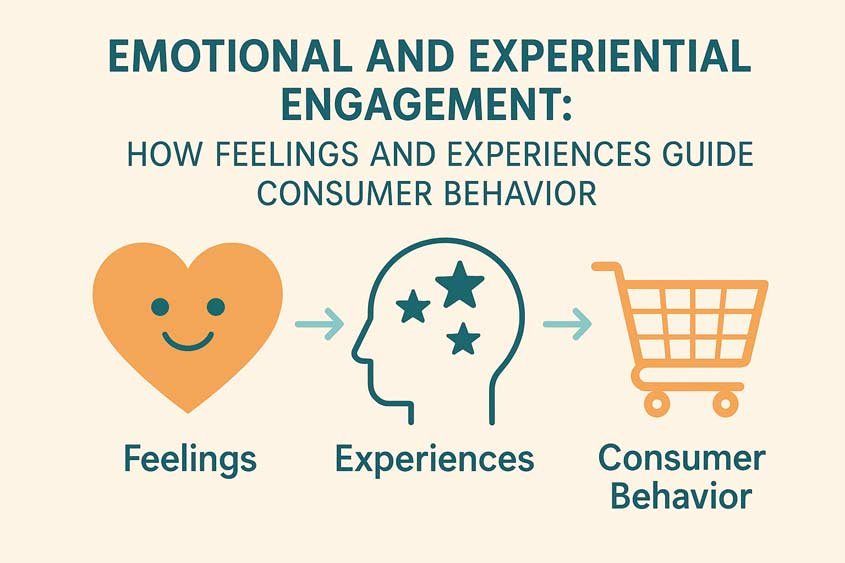
Let’s talk about something you already know deep down but might not have named yet: people don’t buy because of features. They buy because something hits. A feeling. A moment. A spark that connects a brand with whatever’s going on inside their head and heart. When that spark happens, logic usually shows up late to the party.
That spark is what Emotional and Experiential Engagement Triggers are all about. These triggers create moments you actually feel, not just notice. And you’ve felt them way more often than you realize. They slip into ads, product demos, email campaigns, brand videos, even the layout of a physical shop. Once you start spotting them, you’ll see them everywhere.
Table of Contents
This category of triggers includes Storytelling, Surprise and Delight, Sensory Immersion, and Pacing and Leading. They work in different ways, but they all do the same thing at the core: they turn a simple interaction into an experience your brain treats as meaningful. Sometimes you get curious. Sometimes you feel understood. Sometimes you feel a tiny dose of pleasure or anticipation. Whatever the reaction, you move closer to saying yes.
If you’ve ever watched a brand film and felt that warm little “I get it” moment, that was Storytelling weaving emotion into logic. If you’ve received a small unexpected bonus in a package and thought “oh this is nice,” that was Surprise and Delight nudging your loyalty. If a product page pulled you in so deeply that you almost forgot you were still scrolling, that was Sensory Immersion doing the heavy lifting. And if a brand slowly guided your attention from one idea to the next until buying felt like the natural next step, that was Pacing and Leading shaping the flow.
Marketers sometimes underestimate how powerful these triggers are. They obsess over rational selling points: speed, price, features, warranties. Those matter, yes, but not nearly as much as the human side. You’re not convincing a spreadsheet; you’re convincing a person who’s trying to make sense of why this product feels right. And that’s why these triggers outperform more mechanical persuasion tactics like scarcity or authority. Those work too, but emotional engagement hits deeper.
When you think about brands you personally love, chances are they’ve mastered these triggers. Maybe they’ve used storytelling that reflects your values. Or nailed sensory experiences through visuals, sound, or product feel. Or created little moments that feel personal or delightful. And if you’ve ever followed a product journey step by step because it “just made sense,” you’ve followed a pacing sequence without even noticing.
These triggers don’t sit in isolation either. They influence how people react to other triggers like social proof, identity alignment, reciprocity, and novelty. For example, Surprise and Delight blends naturally with Reciprocity. Sensory Immersion amplifies Novelty. Storytelling enhances Identity triggers. They work together, amplifying each other, shaping attention and lowering resistance.
And here’s the interesting part: people aren’t embarrassed to admit these triggers influenced them. You don’t feel manipulated when a brand makes you feel good. You feel connected. You feel understood. You feel like the company gets you—or at least respects the way you like to experience things. It’s a very different emotional tone from hard selling and pressure tactics.
The thing is, brands that get emotional and experiential engagement right tend to be the ones people rave about later. Not because the offer was the cheapest. Not because the product had the most technical specs. But because the experience felt designed for humans. People remember how something made them feel. They remember the tiny details. They talk about those details. They come back for more.
You might’ve seen this with coffee shops that add a handwritten note. Travel companies that send little pre-trip surprise guides. Tech brands that build a clean, fluid onboarding flow. Even a movie trailer that pulls you in with a single powerful line. The trigger is always emotional, even if you don’t register it right away.
And since you’re exploring marketing psychology, you’ll notice something else too: emotional triggers don’t necessarily try to change your beliefs. They enhance the experience around the belief you already have. If you value health, storytelling around someone changing their life hits you harder. If you care about efficiency, pacing sequences that show “here’s a faster path” feel reassuring. If you value identity, cinematic sensory moments that align with your aspirations feel magnetic.
If you’ve ever bought something and only later explained the decision logically, welcome to the club. That’s most people. Emotion leads; logic defends. Emotional and Experiential Engagement Triggers are simply the tools that guide that emotional part of the journey.
So consider this your doorway into a world where experiences become the real sales engine. We’ll unpack what each trigger does, why it works, and how brands use them without feeling gimmicky. By the time you finish, you’ll be able to spot these triggers instantly—even in places you didn’t expect—and use them more intentionally in your own strategies.
Main Emotional and Experiential Engagement Triggers
| Trigger | Core Psychological Effect | Examples in Marketing |
| Storytelling | Stories engage emotion and make information memorable. | Customer success videos • Origin stories in ads (“It all started in a garage…”) • Charity campaigns showing real lives changed. |
| Surprise and Delight | Unexpected positive moments strengthen emotional connection and loyalty. | Bonus samples in packages • Birthday discounts • Thank-you notes after orders. |
| Sensory Immersion | Descriptive sensory details make experiences feel real and desirable. | Food ads showing texture and sound • Perfume ads describing scent notes • Travel videos with ambient sounds and vivid imagery. |
| Pacing and Leading | Mirroring someone’s style or rhythm builds rapport and trust. | Chatbots using the customer’s language • Sales reps matching customer tone • Ads using phrases audiences use themselves. |
Understanding Emotional and Experiential Engagement
You know that moment when something just grabs you a bit deeper than usual? When an ad or message doesn’t feel like marketing anymore but feels like someone talking to you. That’s the entire point of Emotional and Experiential Engagement. These triggers shape how you feel during the interaction, not just what you think about the product afterward. They shift attention, mood, and perception. They influence the timing of decisions and the intensity of connection. And unless you’re analyzing it on purpose, you barely notice it happening.
These triggers don’t shout; they guide. They make you lean in. They create experiences instead of arguments. When brands use them well, your brain treats the moment like something meaningful, not noise. Let’s break them down clearly, piece by piece.
Storytelling
Storytelling is the trigger that hooks you through narrative. Humans process stories faster and more emotionally than straight information. Your mind creates a small world inside it, even when you don’t try. The right story helps you see yourself in the situation. It builds empathy, connection, and emotional context. Good stories anchor a product inside a feeling, not a feature set.
A brand might tell a story about a struggling runner finding confidence. Or a small family business navigating tough times. Or a customer achieving something they thought was out of reach. You’re not buying shoes or gadgets in these moments. You’re buying a version of yourself. That’s why storytelling influences identity, aspiration, and memory. It tells you this product fits into your life—maybe even improves it.
Good storytelling also blends beautifully with triggers like identity relevance, social belonging, and authority. You feel guided, reassured, or represented. And once you feel connected, resistance drops.
Surprise and Delight
This trigger is all about unexpected positive emotion. Not shock. Not pressure. A pleasant microjolt that makes you smile for half a second longer than expected. It could be a thank-you message that feels personal. A small bonus inside a package. A feature you didn’t know was included. Even a clever twist in a campaign that makes you rethink the brand in a friendlier way.
The real influence here is emotional reinforcement. When you get something pleasantly surprising, your brain marks the moment as rewarding. That creates warmth toward the brand. You’re more likely to remember them, return to them, talk about them. It’s a softer version of reciprocity. You feel like they cared a bit more. And you respond in kind.
Surprise and Delight also works well with novelty triggers and value perception. It shifts how you judge the entire experience. One tiny positive moment can raise the ceiling of trust.
Sensory Immersion
Sensory Immersion is about making the experience feel real, vivid, and present. When brands stimulate your senses—through visuals, sound, atmosphere, descriptive detail, or product feel—you mentally step into the moment. You don’t just imagine using the product. You almost sense it.
A great restaurant photo can make you hungry. A crisp unboxing video can make you feel the texture of the product. A travel campaign with slow ambient sound can make you feel grounded or nostalgic. A perfume brand describing notes and moods can almost make you smell it.
Sensory Immersion influences attention, emotional tone, and desire. It reduces mental distance. When something feels vivid, your brain treats it as more relevant. It lowers uncertainty. It makes choices feel easier. And it works across countless industries, from beauty to fitness to tech.
This trigger supports other psychological levers like novelty, aspiration, and even urgency. When you can sense the moment, the decision feels closer.
Pacing and Leading
Pacing and Leading is the trigger that guides your mind step by step. It aligns with how you naturally think, then gradually leads you to new conclusions. You start by nodding along with statements or ideas that already feel true. Then the brand nudges you toward the next step. And the next. Until the final idea—the action they want you to take—feels like the natural continuation of your own thoughts.
You’ve probably seen it in campaigns that start with something like “You want to feel healthier.” You agree. Then it adds, “You don’t have the time for complicated programs.” Another yes. “So you need a plan that fits your schedule.” Still yes. Then the brand introduces their product. And the leap suddenly feels small. You’re psychologically aligned before the pitch even arrives.
This trigger influences agreement, ease of decision, and trust. It reduces friction because you feel guided, not pushed. Pacing matches the reader’s reality. Leading shapes the path forward.
It works well with triggers like consistency, authority, and clarity. When people feel mentally in sync with the message, they follow it more easily.
Why These Triggers Matter
All four triggers build emotional context. They help your brain process information faster and attach meaning to it. Logical arguments often bounce off. Emotional and experiential interactions sink in.
When you hear a story, you imagine yourself inside it. When you experience Surprise and Delight, you feel appreciated. When your senses are activated, the idea of using the product feels more real. When you’re guided in a natural sequence, the decision feels smoother.
They also influence timing. People often delay decisions because they don’t feel enough certainty or connection. Emotional triggers fill that gap. They help people feel safe, understood, or inspired enough to move.
They influence memory. You might not remember stats or bullet points, but you remember how a moment felt. You remember the tiny detail that stuck with you. That’s why the best brands design moments, not messages.
And they influence loyalty. A good emotional experience creates a sense of relationship. People return because the interaction feels good, not because they ran a cost comparison chart.
These triggers also interact with others. Storytelling amplifies identity triggers. Surprise and Delight deepens reciprocity. Sensory Immersion strengthens novelty and desire. Pacing and Leading builds alignment that supports consistency and trust. They create a network of emotional cues that guide decisions more effectively than standalone persuasion tactics.
Brands that understand this don’t just build ads. They build experiences that people want to participate in.
The Psychology Behind Them
If you want to use Emotional and Experiential Engagement Triggers effectively, you need to see them as psychological shortcuts—rules of thumb your brain uses to make fast decisions. These triggers don’t override rational thought; they set the emotional backdrop that makes rational arguments persuasive. Below I unpack the mechanism behind each trigger, step by step, and show how that mechanism nudges behavior in practice. Throughout, you’ll see how Emotional and Experiential Engagement Triggers interact with other buying levers like social proof, reciprocity, novelty, identity, and scarcity.
How to read these step lists
Each bullet list shows the internal process the consumer goes through when a trigger is applied. Think of it as the micro-journey from stimulus to action. I’ll give examples across industries so you can picture real use.
Storytelling — how narratives change choices
Storytelling is literally the brain’s favorite format. Stories turn abstract claims into lived scenarios.
- Stimulus: You encounter a short narrative or vignette.
- Attention: The narrative reduces cognitive load—your brain prefers a story to isolated facts.
- Identification: You map your own goals, fears, or identity onto the protagonist.
- Emotional encoding: Empathy and emotion tag the story as meaningful.
- Mental simulation: You imagine outcomes—“If I buy this, I could be like them.”
- Reduced resistance: Because the story already answered implicit objections, you feel less skeptical.
- Decision nudged: You’re more likely to click, sign up, or buy because the story made the product feel relevant and aspirational.
Example: A fintech app tells a short film about a freelancer finally balancing invoices and life. The viewer imagines relief—identity alignment pushes the decision. Storytelling here works with the identity trigger and social proof when other users are shown later.
Surprise and Delight — the small positive shock that sticks
Surprise and Delight uses reward prediction error—your brain expects one outcome and gets something unexpectedly nice.
- Stimulus: An unexpected bonus, message, or feature arrives.
- Prediction error: The brain notes the positive mismatch—this is better than expected.
- Dopaminergic reward: A small reward signal makes the moment feel pleasurable.
- Memory tagging: Positive surprises are stored efficiently in episodic memory.
- Reciprocity impulse: You feel slightly obliged to repay the kindness (even subtly).
- Behavioral reinforcement: You’re more likely to revisit or recommend the brand.
Example: An e-commerce brand includes a free sample in a skincare order. The customer gets a pleasant surprise, feels gratitude, and is likelier to repurchase. Here Surprise and Delight pairs with reciprocity and increases perceived value.
Sensory Immersion — turning imagination into near-reality
Sensory Immersion reduces psychological distance by simulating real sensory input, which raises desire and lowers uncertainty.
- Stimulus: Rich sensory cues arrive—imagery, audio, tactile description, or in-person atmosphere.
- Perceptual vividness: The brain treats vivid cues as more probable and relevant.
- Emotional amplification: Senses intensify feelings—comfort, excitement, nostalgia.
- Predictive confidence: You feel you “know” how it will be to use the product.
- Reduced perceived risk: Vivid simulation lowers friction and doubt.
- Action: You buy or book because the imagined experience is compelling and specific.
Example: A boutique hotel’s site uses immersive video, ambient audio, and textured descriptions of sheets and smells. Prospective guests feel almost there; booking follows. Sensory Immersion supports novelty and aspiration triggers.
Pacing and Leading — guiding agreement one step at a time
Pacing and Leading is an influence technique that aligns with how humans naturally agree and move from known truths to new choices.
- Stimulus: A sequence of statements or experiences that start from obvious truths.
- Small agreements: You nod mentally to the initial points—this creates momentum.
- Incremental alignment: Each following statement draws a slightly larger conclusion.
- Cognitive fluency: The sequence feels logical and easy to follow.
- Internal justification: You generate reasons internally for the final ask.
- Smooth conversion: The final decision (signup, trial, purchase) feels like a natural next step.
Example: A B2B landing page opens with industry facts you already accept, then shows how inefficiencies cost time, then introduces a simple tool. The gradual movement reduces objection. Pacing and Leading plays nicely with authority and consistency triggers.
How these triggers interact with core cognitive biases
Emotional and Experiential Engagement Triggers don’t work in isolation. They exploit well-known biases:
- Confirmation bias: Storytelling aligns new information with existing beliefs.
- Peak-end rule: Surprise and Delight crafts memorable peaks and pleasant endings.
- Availability bias: Sensory Immersion makes experiences easier to recall.
- Consistency bias: Pacing and Leading leverages your desire to be consistent with prior small agreements.
When you pair Emotional and Experiential Engagement Triggers with social proof, you get a multiplier: a story plus testimonials makes the imagined identity feel communal. Add reciprocity to Surprise and Delight, and retention goes up. Layer novelty on sensory cues, and you spike interest.
Practical patterns you can copy
If you want usable patterns, here are three condensed playbooks you can test this week:
- Story + Social Proof (Retail): Launch a short customer story video, then follow with 3 quick customer quotes about outcomes. Mechanism: identity plus social validation. Result: higher trial rates.
- Surprise + Reciprocity (Subscription): Offer a surprise one-time gift in the first box and a personal note. Mechanism: reward signal plus obligation. Result: better retention month two.
- Sensory + Pacing (SaaS demo): Start demo with a common pain, show a vivid before/after, then walk through steps to save time. Mechanism: vivid simulation plus guided agreement. Result: shorter sales cycles.
Ethical guardrails
Use Emotional and Experiential Engagement Triggers responsibly. Don’t manufacture emotions that exploit vulnerability or create false expectations. A story should be authentic; sensory cues should reflect real product experience; surprises should add genuine value. When these triggers are honest, they build trust. When they manipulate, they damage it—and the backlash is fast.
Quick checklist for diagnosing trigger use
- Does the message create a vivid scene? Sensory Immersion likely.
- Is there an unexpected positive moment or bonus? Surprise and Delight.
- Does the content move you from obvious agreement to a purchase smoothly? Pacing and Leading.
- Is there a human story you can step into? Storytelling.
If you run through that checklist on your own campaigns, you’ll spot which Emotional and Experiential Engagement Triggers are present and which are missing.
So yes, these triggers are psychological hacks in the clean sense: they reorganize how information is felt. Use them together, and you don’t just sell product—you design moments people want to repeat.
How Businesses Apply These Triggers
Emotional and experiential engagement triggers are not just theory—they’re highly practical tools marketers use to connect with audiences in meaningful, memorable ways. When applied ethically, they can transform a brand from background noise to a personal favorite. Let’s break down how businesses implement each of these triggers with real-world applicability.
Storytelling in Action
Stories stick. They linger in your mind because our brains are wired to process narratives more deeply than plain information. Brands that master storytelling don’t just sell products—they sell experiences, journeys, and identities.
- Crafting relatable narratives: Businesses often highlight customer journeys, turning a simple product purchase into a story. For example, a skincare brand may showcase a customer’s transformation, focusing on how confidence and happiness improve, rather than just the lotion itself.
- Humanizing the brand: Employees, founders, or customers become the protagonists. A coffee chain could spotlight farmers’ stories to make each cup feel connected to real lives, creating empathy and a stronger emotional bond.
- Story arcs in campaigns: Successful campaigns often mirror classic storytelling arcs—problem, struggle, solution, and resolution. This framework keeps attention and builds anticipation.
Storytelling can also work hand-in-hand with other triggers like Social Proof. For instance, user-generated stories amplify credibility while enhancing emotional impact.
Surprise and Delight for Memorable Experiences
Consumers notice when brands break the routine in a positive way. Surprise triggers attention; delight reinforces loyalty. Businesses use this by adding small, unexpected touches that make the customer feel appreciated.
- Unexpected bonuses: E-commerce sites often include a small gift in orders. It doesn’t need to be expensive; it’s the unexpected element that triggers joy.
- Interactive campaigns: Surprise pop-ups, gamified experiences, or limited-time offers create novelty and urgency. These taps into the same mechanisms as the Scarcity Trigger, without being manipulative.
- Personalization as delight: Personalized emails, tailored recommendations, or handwritten notes in packages show that the brand understands the customer as an individual, deepening emotional engagement.
Brands that excel here often see higher repeat purchase rates. Delight doesn’t just sell—it encourages sharing, which naturally amplifies reach.
Sensory Immersion: Engage More Than Just the Mind
Humans experience the world through all senses, yet many marketing campaigns over-rely on visuals or text. Sensory immersion taps into touch, sound, smell, and even taste, making experiences more vivid and memorable.
- Retail spaces: Stores use lighting, music, and scent strategically. A high-end boutique might play soft jazz, use warm lighting, and have a subtle signature fragrance to create a luxurious feeling.
- Product design: Packaging can enhance tactile engagement—think textured labels, magnetic closures, or satisfying clicks when opening. These details linger in memory.
- Digital experiences: Online brands use interactive graphics, animations, and sound effects to simulate a multi-sensory experience, increasing time spent on sites and conversions.
Sensory triggers work in synergy with Pacing and Leading. A well-designed experience guides attention, anticipation, and emotional response.
Pacing and Leading: Guiding Decisions Subtly
This trigger is about rhythm and control in messaging. By pacing content to match attention spans, businesses can lead customers toward desired actions without overt pressure.
- Email sequences: Businesses often send gradual, carefully timed messages—introductions, benefits, testimonials—so the reader absorbs information in digestible chunks.
- Website flow: Landing pages are designed with strategic sequencing, leading visitors from curiosity to engagement to conversion. Subtle cues like progressive disclosure of product features or benefits maintain focus.
- Content storytelling: Marketing videos or ads often build suspense, introduce a problem, and then provide a solution at the peak moment of attention. This mirrors natural human anticipation, making the call to action feel intuitive.
Properly executed pacing and leading respects the customer’s cognitive process. It’s guiding without coercing, which enhances trust—a key factor in long-term loyalty.
Combining Triggers for Maximum Impact
The most effective campaigns rarely rely on a single trigger. Storytelling, surprise, sensory immersion, and pacing can be combined to reinforce each other:
- A cosmetics brand could tell a transformative story (storytelling), include a small free sample in the package (surprise and delight), design packaging with texture and scent (sensory immersion), and sequence an email campaign that walks the customer through tutorials and testimonials (pacing and leading).
- In the tech industry, product launches often combine suspenseful teaser videos (pacing), immersive launch events with interactive demos (sensory), user testimonials (storytelling), and limited-time early-access perks (surprise).
By layering these triggers thoughtfully, businesses create campaigns that resonate, stick, and drive measurable results without feeling pushy or artificial.
Ethical Considerations in Application
While the psychological mechanics are powerful, ethical application is essential. Misusing these triggers can create backlash or damage credibility. Some best practices:
- Avoid manipulation: Triggers should enhance the customer’s experience, not pressure them into unnecessary purchases.
- Transparency: If a campaign uses storytelling or sensory effects, ensure claims are honest. Fabricated narratives or misleading cues can erode trust.
- Respect privacy: Personalization should never cross boundaries; use customer data responsibly.
Ethical deployment strengthens brand equity while still leveraging emotional and experiential engagement triggers effectively.
Examples Across Industries
- Hospitality: Hotels use immersive scents in lobbies (sensory immersion), storytelling in social media posts about guest experiences, and subtle pacing in email promotions.
- Fitness: Gyms employ surprise rewards like free classes, tell transformation stories of members, and use paced onboarding programs to guide retention.
- Food & Beverage: Restaurants create multisensory experiences with ambiance, texture in food presentation, and storytelling about ingredient sourcing to deepen customer connection.
In every context, the principle remains: trigger engagement through meaningful, memorable experiences that respect the consumer’s intelligence and choice.
This demonstrates that businesses can strategically implement emotional and experiential engagement triggers to make their brand not only noticed but remembered. When applied correctly, these triggers don’t just influence purchases—they cultivate loyalty and advocacy.
How Consumers Respond
Understanding how consumers react to emotional and experiential engagement triggers is key to seeing why these strategies work. People don’t just buy products—they respond with attention, memory, emotional attachment, and action. These responses are measurable and observable, often showing up as repeated behavior, brand advocacy, or even subconscious preferences. Let’s unpack how consumers typically react when brands use storytelling, surprise and delight, sensory immersion, and pacing and leading.
Storytelling: How Narratives Stick
Stories tap directly into human psychology. Consumers respond differently to a narrative than to raw facts or product specs.
- Emotional identification: When a brand shares a story, people often see themselves in it. For example, a fitness apparel brand telling a tale of someone overcoming obstacles to achieve a goal creates empathy. The audience feels inspired and more inclined to consider the product.
- Memory retention: Narratives are processed in the brain differently than bullet points. Consumers remember stories far longer, which strengthens brand recall. They’re more likely to think of that brand when making purchasing decisions.
- Behavioral influence: Observing relatable characters in a story who succeed using a product encourages imitation. This can be seen in consumer reviews referencing story-driven campaigns, or social shares of brand content.
Subtle connections form when the narrative aligns with the consumer’s own values or goals. This is why storytelling often overlaps with Social Proof—people see themselves mirrored in others’ experiences.
Surprise and Delight: The Reward Response
Humans are wired to notice the unexpected, especially when it feels positive. Surprise and delight triggers leverage the brain’s reward system.
- Instant joy and attention: Unexpected bonuses, gifts, or perks create a momentary spike in happiness, triggering dopamine release. You might see a consumer immediately post about the experience on social media, write a review, or return for another purchase.
- Increased loyalty: Those small surprises create emotional bonds. A customer who receives a thank-you note or a freebie often develops a positive perception of the brand beyond the product itself.
- Behavioral reinforcement: Delight encourages repeat actions. For instance, a subscriber receiving a free sample or limited-time perk is more likely to engage with the brand in the future.
Even minor surprises matter. A coffee shop offering a free pastry to regulars may see higher repeat foot traffic and word-of-mouth referrals. The key is that consumers feel recognized and valued.
Sensory Immersion: Engaging Multiple Senses
Sensory experiences shape behavior often subconsciously, yet their effects are clear. When brands immerse consumers’ senses, reactions go beyond conscious acknowledgment.
- Emotional resonance: Consumers often associate moods or feelings with sensory cues. A boutique using a signature scent in-store may find that shoppers experience calm or luxury, leading them to linger longer.
- Memory reinforcement: Sensory triggers help store experiences in memory. A sound, scent, or texture linked to a product makes it easier for consumers to recall it later. Think of jingles, packaging textures, or distinctive product sounds.
- Purchase decisions: Multi-sensory engagement can nudge consumers toward purchase by enhancing perceived value. For instance, premium chocolate packaging that engages sight, touch, and smell increases the likelihood of selection over a less engaging competitor.
Observably, consumers spend more time interacting, explore more options, and often share sensory-rich experiences with others, amplifying the impact.
Pacing and Leading: Subtle Guidance
Pacing and leading shapes how consumers process information and act on it. When applied skillfully, it aligns with natural attention spans and decision-making patterns.
- Cognitive alignment: Consumers respond positively when content follows a digestible flow. Overwhelming them with too much information at once can cause disengagement, while paced sequences improve comprehension and retention.
- Behavioral nudges: Carefully timed messages or content progression can lead consumers from curiosity to action. For example, an email sequence introducing a product, showing testimonials, and finishing with a limited offer increases engagement.
- Perceived control: When consumers feel guided rather than pressured, trust increases. They’re more likely to complete a purchase or sign up because the sequence feels natural, not manipulative.
Observable behaviors include longer site visits, higher click-through rates, and sequential engagement with content—a clear sign that pacing is influencing decisions.
Integrated Responses: How Triggers Work Together
Consumers rarely experience a single trigger in isolation. The most effective campaigns layer storytelling, surprise and delight, sensory immersion, and pacing for cumulative effect. The responses then compound:
- Emotional engagement: A narrative combined with sensory cues strengthens empathy and resonance, making the brand feel personal.
- Behavior reinforcement: Surprise elements intertwined with pacing encourage repeated behavior, like returning to the website or making multiple purchases.
- Advocacy and sharing: Engaged consumers often promote the experience voluntarily, through social media posts, reviews, or word-of-mouth. Observably, campaigns with integrated triggers see higher engagement metrics across multiple channels.
For example, a luxury hotel might tell a story of a guest’s experience (storytelling), include personalized welcome gifts (surprise and delight), design the room with ambient music and scent (sensory immersion), and guide check-in and activities through an intuitive schedule (pacing and leading). Guests respond with extended stays, positive reviews, and social sharing—all observable outcomes of the combined triggers.
Observable Behavioral Patterns
Across industries, consumer responses manifest in consistent, measurable ways:
- Time spent interacting: Engaged consumers linger longer on websites, apps, or in physical stores.
- Purchase actions: Higher conversion rates occur when emotional and experiential triggers are present.
- Social behavior: Sharing, posting, and recommending the brand indicates deep emotional engagement.
- Repeat interactions: Customers return for new purchases, indicating trust and attachment.
- Subtle preferences: Even when no immediate purchase occurs, consumers remember the brand favorably and choose it in future decisions, showing long-term influence.
Behavioral observation confirms that emotional and experiential engagement triggers are effective because they create tangible responses, not just theoretical interest.
Psychological Nuances in Responses
Consumers’ reactions are not purely conscious. Many responses are automatic or subconscious:
- Emotional resonance: Immediate feelings guide judgment. A brand that evokes happiness, nostalgia, or excitement influences choices without the consumer explicitly realizing it.
- Associative memory: Sensory cues link emotions to brands, making recall more likely in similar situations.
- Trust formation: Pacing and ethical storytelling create a sense of predictability and reliability, which strengthens loyalty.
Observing these behaviors provides actionable insights. Marketers can refine triggers based on measurable responses like dwell time, click patterns, purchase frequency, and social sharing, making the strategy both effective and ethical.
Industry Examples
- Retail: Shoppers stay longer in stores that combine lighting, scent, and curated storytelling. They’re more likely to purchase multiple items and return.
- Entertainment: Movie trailers that tease plot points in a paced sequence, combine visual spectacle, and incorporate unexpected humor often drive ticket sales and social media buzz.
- Food & Beverage: Restaurants using signature scents, storytelling about origin, and small surprises like complimentary tastings see higher repeat visits and positive reviews.
- E-commerce: Online retailers that use product storytelling, immersive visuals, personalized offers, and paced emails observe higher conversion rates and engagement metrics.
Consumers respond consistently when their emotions are engaged and their experiences feel memorable.
Emotional and experiential engagement triggers don’t just influence decisions—they shape observable behaviors. From lingering in a store to repeated purchases, social sharing, and brand loyalty, these triggers work because they align with natural human responses. When marketers respect these patterns ethically, the results are measurable, repeatable, and profitable.
Spot The Trigger
Now it’s your turn to see these triggers in action. Below are five hypothetical scenarios. For each, decide if Emotional and Experiential Engagement triggers are being used and identify which ones. Answers are provided at the end, along with brief explanations.
Exercise 1
A sportswear brand launches a new campaign with the slogan “Run for the Planet.” For every pair of shoes sold, they promise to plant two trees. The ad shows runners of all backgrounds, smiling, connecting, and jogging through green parks. You feel good just watching it—and you start wondering if your next pair should come from them.
Questions: Is the brand using any Emotional and Experiential Engagement triggers? (True or False) Which triggers are being used? | Check Answer
Exercise 2
A tech company releases a sleek new smartwatch. Their ads focus solely on specs: battery life, processor speed, and storage capacity. There’s no storyline, no playful or immersive elements, just facts listed in bold, straightforward text.
Questions: Is the brand using any Emotional and Experiential Engagement triggers? (True or False) Which triggers are being used? | Check Answer
Exercise 3
A bookstore launches a minimal social media campaign showcasing a few books on a plain shelf with a caption: “New arrivals.” There’s no narrative, no interactive experience, and no sensory elements highlighted.
Questions: Is the brand using any Emotional and Experiential Engagement triggers? (True or False) Which triggers are being used? | Check Answer
Exercise 4
A luxury chocolate brand creates an interactive online experience. Visitors can virtually “unwrap” chocolates, listen to the story of the cacao farmers, and see animations highlighting the flavors and textures. Completing the experience earns a small sample coupon delivered to your email.
Questions: Is the brand using any Emotional and Experiential Engagement triggers? (True or False) Which triggers are being used? | Check Answer
Exercise 5
A boutique hotel posts a video showing guests arriving to warm welcomes, enjoying signature scents and soft music in their rooms, and being surprised with personalized gifts. The narrative shows each guest’s journey from arrival to relaxation and connection with the space.
Questions: Is the brand using any Emotional and Experiential Engagement triggers? (True or False) Which triggers are being used? | Check Answer
Final Thoughts
Emotional and experiential engagement triggers are more than marketing buzzwords—they are powerful levers that guide how people think, feel, and act. When brands tap into storytelling, surprise and delight, sensory immersion, and pacing and leading, they connect with consumers on a level beyond logic. This connection drives attention, strengthens memory, encourages repeated interaction, and builds loyalty.
Storytelling transforms products into experiences. A simple item becomes a vehicle for aspiration, identity, or belonging. When consumers see themselves in a story, they’re not just observing—they’re participating emotionally. That participation subtly nudges them toward decisions that feel personal rather than transactional.
Surprise and delight trigger instant positive emotion. Small, unexpected gestures—like a bonus gift or personalized touch—create joy and attention spikes that linger long after the initial interaction. Consumers respond by remembering the brand, returning for future interactions, and even sharing their experiences with others. The effect is cumulative: each delight reinforces a sense of value and emotional attachment.
Sensory immersion engages more than the mind. Smell, touch, sight, and sound all influence how consumers perceive a product or environment. Multi-sensory experiences heighten attention, improve memory retention, and enhance satisfaction. A shopper may not consciously notice why they linger, but the environment guides behavior in subtle, measurable ways.
Pacing and leading guides decision-making with respect and subtlety. Thoughtful sequencing of information allows consumers to process content comfortably, reducing cognitive overload and increasing the likelihood of action. When consumers feel guided rather than pushed, trust forms naturally. They follow the flow, absorb the narrative, and often reach decisions that align with their own values, making choices feel intuitive.
When these triggers are combined, the effect multiplies. A campaign that tells a compelling story, surprises the audience, immerses their senses, and leads them through an experience creates lasting impressions and observable behavior. Consumers engage longer, buy more frequently, and often advocate for the brand voluntarily.
Importantly, ethical application ensures trust remains intact. Triggers should enhance the experience, not manipulate it. Consumers quickly detect inauthenticity; respect and transparency are key. When done right, these strategies build emotional bonds that last well beyond a single transaction.
At the end of the day, marketing is about understanding humans—not just selling to them. Emotional and experiential engagement triggers allow brands to communicate in ways that resonate, delight, and guide without coercion. They turn ordinary interactions into memorable experiences, shaping behavior, and decision-making in ways that feel natural to the consumer.
Mastering these triggers means more than knowing the theory—it’s about observing, empathizing, and designing experiences that truly connect. When you understand and apply these principles thoughtfully, your marketing doesn’t just reach people—it moves them.

Gabriel Comanoiu is a digital marketing expert who has run his own agency since 2016. He learned marketing by testing, analyzing, and refining campaigns across multiple channels. In his book series Impulse Buying Psychology, he shares the psychological triggers behind every purchase, showing how to create marketing that connects, persuades, and converts.