
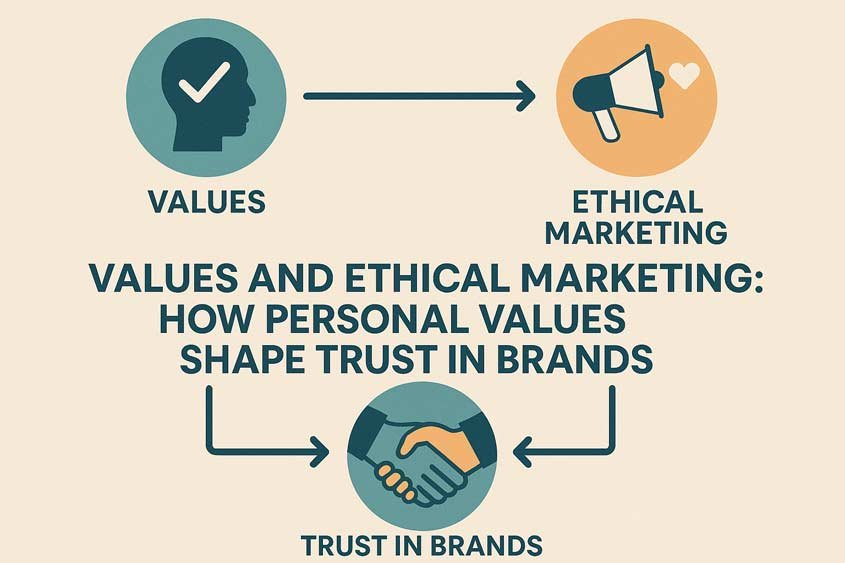
When you think about why you choose one brand over another, price and quality might come to mind first. But there’s another layer that often goes unnoticed: whether a brand reflects your personal values. Values and ethical marketing triggers, like Moral Alignment, tap directly into this space. They’re the subtle signals that tell you a brand “gets you,” shares your ethics, and earns your trust—even before you make a purchase.
These triggers are a powerful tool in marketing psychology. They don’t just influence the decision to buy; they shape loyalty, advocacy, and even the way you talk about brands with friends. You might not notice them consciously, but they sneak into your choices in ways you can’t ignore. Think about that favorite coffee brand you stick with, not just for taste, but because they source beans ethically. That’s a values-based trigger at work.
Table of Contents
Brands that successfully use these triggers aren’t just selling a product—they’re selling a reflection of what you stand for. You feel a sense of satisfaction and even pride when your choices align with your morals. This isn’t manipulation; it’s connection. And in a world where consumers are increasingly scrutinizing company ethics, this connection can be the difference between a one-time purchase and lifelong loyalty.
Moral Alignment, the primary trigger in this category, operates in a way that’s deceptively simple but profoundly effective. It signals that a company’s actions match your own standards, whether that’s environmental responsibility, social justice, or general honesty in advertising. You don’t need a deep explanation to feel it—you sense it emotionally. And when a brand demonstrates it consistently, it reinforces trust and credibility.
You’ll also notice that values-based messaging often overlaps with other psychological triggers. Social proof, for example, comes into play when you see others endorsing or celebrating a brand’s ethical stance. Scarcity might be subtly involved when limited-edition eco-friendly products make you act quickly. Even emotional engagement is heightened because aligning with a cause you care about triggers pride and satisfaction.
Many industries have started weaving these triggers into their campaigns. Fashion brands highlight fair trade production. Tech companies tout energy-efficient practices. Food brands emphasize sustainable sourcing. Each time, the goal isn’t to lecture but to resonate on a personal level. And that resonance translates directly into influence—your choices, loyalty, and advocacy.
You might be thinking, “Sure, that works for some products, but how far can this really go?” Plenty. Research in consumer psychology shows that moral alignment can shift buying behavior even when price and convenience are equal. People prefer brands that reflect their personal standards. That means values-based marketing is not just a feel-good tactic; it’s a measurable business strategy.
Over the next sections, we’ll dive deeper into how these triggers operate, the psychology behind them, how businesses apply them ethically, and how consumers respond. By the end, you’ll not only understand the mechanics but also be able to spot values and ethical marketing triggers in the wild—and maybe even apply them yourself.
Main Values and Ethical Marketing Triggers
| Trigger | Core Psychological Effect | Examples in Marketing |
| Moral Alignment | People prefer brands that share their values or beliefs. | Eco-friendly packaging • Charity partnerships • Campaigns promoting fairness or inclusion. |
Understanding Values and Ethical Marketing
When we talk about values and ethical marketing, we’re talking about a layer of persuasion that doesn’t hit your wallet first—it hits your conscience, your sense of right and wrong, your personal code. These triggers are designed to show that a brand shares your morals, not just your tastes. They’re part of marketing psychology because they influence decisions on a level that’s both emotional and ethical. Let’s break it down.
What Are Values and Ethical Marketing Triggers?
At the heart of this category is Moral Alignment. Simply put, it’s when a brand’s actions, messages, or products reflect the ethical standards that you hold personally. These triggers don’t just sell products—they communicate character. They answer the question: Does this brand “get me”?
A few examples make this clearer:
- A skincare company promoting cruelty-free testing.
- A fashion brand using only sustainable fabrics.
- A tech company pledging to reduce e-waste.
In each case, the product itself is secondary. What’s being sold is trust, credibility, and alignment with values. When a brand clearly signals that it shares your principles, you’re more likely to engage, purchase, and advocate for it.
Why They Influence Decisions
Values and ethical marketing triggers work because humans are wired to seek consistency between beliefs and actions. This is called cognitive consistency in psychology. When a brand mirrors your values, it creates a mental “match.” You feel good about supporting them, and that emotional reward strengthens your decision to choose them over alternatives.
These triggers influence:
- Purchase behavior: You’re more willing to spend on brands that match your ethical standards.
- Loyalty: Once a brand earns your trust through moral alignment, it’s hard to switch.
- Advocacy: You’ll share and recommend brands that resonate with your ethics.
It’s important to notice that values-based triggers rarely work in isolation. They interact with other triggers, like social proof, when you see others celebrating a brand’s ethics, or emotional engagement, when a campaign makes you feel proud or inspired.
How They Communicate
Brands use various methods to signal moral alignment:
- Messaging: Campaigns highlight ethical practices, like sourcing materials responsibly or supporting local communities.
- Visual cues: Images of diverse employees, eco-friendly packaging, or charitable initiatives reinforce alignment.
- Storytelling: Sharing real stories of impact—such as funding schools, planting trees, or reducing carbon footprints—creates an emotional connection.
These signals act like nudges. They tell your brain, “This company does what you care about. You can trust them.” And you often absorb these cues unconsciously, which is what makes the trigger so powerful.
The Role of Perceived Authenticity
One critical factor is authenticity. Consumers today are skeptical. They can detect when a brand is “faking it” or jumping on a trend just for sales. Values and ethical marketing triggers only work if your audience believes you genuinely care. If there’s a mismatch between what you say and what you do, the trigger backfires, causing distrust instead of loyalty.
For instance, a fast-fashion brand claiming to support sustainability while producing low-cost, high-volume products loses credibility instantly. Moral alignment isn’t just about making the claim—it’s about living it in every visible action.
Trigger Interactions in Context
Let’s not forget that values and ethical triggers are part of a broader psychological ecosystem. Here’s how they often intersect with other buying triggers:
- Scarcity: Limited-edition ethically made products can make your choice feel urgent.
- Social proof: Seeing influencers or friends choose a values-driven brand reinforces your own inclination.
- Emotional engagement: Campaigns that emphasize human impact or environmental benefit trigger pride and satisfaction, which strengthens the ethical appeal.
By combining moral alignment with other triggers, brands can create a richer, more persuasive experience. It’s subtle, but it works. Your decisions feel personal, rational, and values-driven, even if the underlying mechanisms are psychological.
Understanding values and ethical marketing triggers isn’t just for marketers—it’s for you as a consumer too. Once you can spot them, you’ll see why certain brands resonate with you on a level deeper than product features or price. And for marketers, mastering these triggers can transform campaigns from forgettable ads into meaningful, trust-building interactions.
The Psychology Behind Them
Values and ethical marketing triggers work because they tap into the way your brain processes morality, trust, and self-identity. Unlike price or convenience, these triggers speak to the part of you that wants to act in line with your beliefs. The key mechanism behind them is Moral Alignment, but it interacts with a few other psychological layers to shape your behavior. Understanding the steps helps explain why these triggers are so effective.
How Moral Alignment Influences Decisions
Moral alignment triggers operate in a surprisingly systematic way. Here’s the process broken down:
- Perception of Ethics: You notice a brand highlighting its ethical stance—like cruelty-free products, fair labor practices, or environmental responsibility.
- Value Matching: Your brain checks if the brand’s ethics align with your personal beliefs.
- Emotional Resonance: If there’s a match, you feel positive emotions—pride, satisfaction, even a little excitement.
- Trust Formation: Positive emotions increase your trust in the brand, signaling that it’s reliable and credible.
- Decision Reinforcement: When making a purchase, the brand’s ethical alignment validates your choice, reducing cognitive dissonance.
- Advocacy Loop: You feel compelled to share or recommend the brand because it reinforces your own moral identity.
In short, moral alignment works because humans seek consistency between beliefs and actions. The brain rewards alignment with positive emotions and social approval, making ethical brands more persuasive than ones that just promise better specs or lower prices.
Cognitive Mechanisms at Play
Several psychological principles explain why moral alignment triggers are so potent:
1. Cognitive Consistency
You strive to keep your beliefs, actions, and choices consistent. Supporting brands that reflect your ethics maintains harmony between what you value and what you do.
2. Social Identity
Humans define themselves partly through their affiliations. Choosing ethical brands signals your values to others and reinforces your self-concept.
3. Emotional Reward
Doing good—even indirectly by buying an ethical product—activates pleasure centers in the brain. This emotional reward strengthens loyalty and makes the behavior repeatable.
Step-by-Step Trigger Mechanism
To illustrate, here’s how the process unfolds in practice for a brand using moral alignment:
- Step 1: Ethical Messaging – The brand communicates its moral stance. Example: “Our coffee is sourced from farms that pay fair wages.”
- Step 2: Personal Connection – You recognize that the stance matches your own values.
- Step 3: Emotional Activation – Pride and satisfaction kick in.
- Step 4: Trust Development – You perceive the brand as honest and reliable.
- Step 5: Purchase Motivation – You feel confident spending money because it aligns with your ethics.
- Step 6: Advocacy – You tell friends or share on social media, reinforcing both your values and the brand’s image.
This mechanism isn’t just theoretical. It’s why campaigns emphasizing ethical sourcing, charitable giving, or sustainability often outperform those that only focus on product features.
The Role of Subtle Triggers
Moral alignment rarely works alone. Brands often layer it with other psychological triggers to enhance impact:
- Social Proof: Seeing others buy or endorse ethically aligned products validates your own choices.
- Emotional Engagement: Stories of real people or environmental impact trigger empathy and pride.
- Scarcity or Exclusivity: Limited ethical editions make you act faster, combining urgency with moral satisfaction.
Each additional trigger strengthens the effect, but moral alignment remains the anchor. It’s the one that makes the purchase feel personally meaningful rather than just transactional.
Why Consumers Remember Ethical Brands
The psychology of memory also favors moral alignment triggers. Emotional experiences are stored more vividly in your brain than neutral ones. So when you buy from a brand that mirrors your ethics, it doesn’t just satisfy your immediate need—it creates a memory of acting in line with your values. That memory increases the likelihood of repeat purchases and advocacy.
By breaking down the steps, you can see why values and ethical marketing triggers are more than just a feel-good strategy. They engage cognitive, emotional, and social processes simultaneously, making your decisions feel rational, moral, and personally significant.
How Businesses Apply These Triggers
Brands that master values and ethical marketing triggers don’t just make you feel good—they make you act. The key is applying these triggers in ways that are authentic, transparent, and aligned with both the company’s practices and the audience’s expectations. When done right, the results are measurable: higher engagement, increased trust, and stronger loyalty. Let’s explore practical ways businesses implement these triggers across industries.
Embedding Moral Alignment in Messaging
The most obvious application is messaging that communicates ethics clearly. This isn’t about vague claims; it’s about specificity.
- Case Study: Skincare Industry – A natural skincare brand might highlight that every ingredient is ethically sourced and cruelty-free. Ads show the farms, the farmers, and the certification process. The consumer sees proof, not just promises.
- Actionable Tip: Include visible indicators of ethical practices in campaigns. Think photos, stats, or behind-the-scenes stories. Don’t just tell people you care—show it.
Messaging can also align with broader social causes that resonate with your target audience. For instance, a beverage brand promoting water conservation initiatives taps into values of sustainability, making the purchase feel like a contribution to a cause.
Product Development as a Trigger
Values and ethical triggers aren’t only for communication—they can shape the product itself.
- Sustainable Materials: Using recycled, renewable, or eco-friendly materials communicates moral alignment before the consumer even interacts with marketing.
- Ethical Sourcing: Brands like coffee, chocolate, or apparel companies that verify fair wages and labor standards embed the trigger directly in the product story.
- Inclusive Design: Products that are accessible or inclusive demonstrate social responsibility, appealing to consumer values.
By integrating ethics into the product, businesses don’t just talk the talk—they walk it, which is critical for credibility.
Storytelling That Resonates
Stories are one of the most powerful ways to apply values triggers. Humans process narrative better than data alone, and ethical storytelling creates emotional resonance.
- Example: Outdoor Apparel Brands – A campaign shares a climber’s story, highlighting environmental cleanup initiatives funded by purchases. You see the impact, not just the product.
- Actionable Tip: Use storytelling to connect product benefits with moral impact. Real stories with real people amplify the perceived authenticity.
Transparency and Verification
Consumers are increasingly skeptical. To make values triggers effective, businesses must demonstrate transparency.
- Certifications and Labels: Organic, fair-trade, cruelty-free, or B-Corp certifications give credibility to claims.
- Public Reporting: Sharing annual sustainability reports or social impact metrics shows consistency and commitment.
- Customer Communication: Clear explanations on websites or packaging about how practices align with ethics reinforce trust.
Transparency acts as a trust multiplier, reinforcing moral alignment while reducing doubts.
Combining Triggers for Maximum Effect
Values and ethical marketing triggers can be combined with other psychological triggers to amplify impact:
- Social Proof: Show customer testimonials that highlight ethical satisfaction. “I switched brands because they plant a tree for every purchase” resonates because it signals community approval.
- Scarcity: Limited-edition ethical products create urgency, encouraging action while maintaining alignment with values.
- Emotional Engagement: Use images, videos, or stories that create pride or satisfaction in supporting ethical initiatives.
These combinations make ethical choices feel rewarding, memorable, and shareable, enhancing both loyalty and advocacy.
Industry Examples
- Fashion: Brands offering clothing lines made from sustainable fabrics highlight ethical sourcing and fair labor practices. Campaigns include stories of artisans and environmental impact.
- Food & Beverage: Companies emphasize local sourcing, organic ingredients, or charitable donations per purchase. The message resonates with consumers who want their spending to “do good.”
- Technology: Electronics brands promote recycling programs, energy-efficient devices, or support for communities affected by production practices.
In each example, the key is authenticity. Values triggers backfire when the audience perceives them as marketing fluff. The trigger must be embedded in products, campaigns, and corporate practices simultaneously.
By applying moral alignment strategically, businesses influence behavior without pressure or manipulation. Consumers feel they are making decisions that reflect their own principles, which is far more persuasive than discount codes or flashy promotions.
How Consumers Respond
When brands successfully use values and ethical marketing triggers, the impact isn’t just theoretical—it shows up in real, observable consumer behavior. These triggers work because they connect purchases to personal identity, ethics, and emotional satisfaction. Understanding these responses helps marketers predict behavior and refine campaigns, and it helps you see why certain brands stick in your mind longer than others.
Positive Emotional Reactions
The first reaction to moral alignment triggers is almost always emotional. Consumers feel good when they perceive their choices as ethically sound.
- Pride and Satisfaction: Buying from a brand that mirrors your values triggers a sense of pride. You feel like your money contributes to something meaningful, whether it’s environmental conservation, social equality, or fair labor practices.
- Relief and Confidence: Ethical alignment reduces buyer anxiety. You don’t have to worry about moral compromises, which makes decisions easier and faster.
These emotional reactions are subtle but powerful—they make repeat purchases and brand advocacy more likely.
Purchase Behavior Patterns
Ethically aligned marketing often translates into concrete actions:
- Increased Willingness to Pay: Consumers are often ready to spend more on products that match their values. A higher price feels justified because it supports ethical practices.
- Brand Loyalty: Once trust is established through moral alignment, consumers stick around. They’re less likely to switch even when competitors offer lower prices or promotions.
- Selective Shopping: Consumers start filtering brands based on ethical alignment. Those that don’t meet standards may be avoided entirely, even if the product itself is superior.
Observing these patterns helps brands understand that moral alignment isn’t just “nice to have”—it actively drives buying behavior.
Advocacy and Social Behavior
Values-based triggers also influence how consumers act socially:
- Word-of-Mouth Sharing: People often share their experiences with ethically aligned brands because it reinforces their own moral identity. A friend recommending a sustainable coffee brand isn’t just giving advice—it’s signaling shared values.
- Social Media Engagement: Consumers are more likely to post or comment about products that align with ethics, amplifying the brand’s message organically.
- Community Building: Brands that highlight ethical initiatives attract communities of like-minded customers who discuss, support, and co-create with the brand.
This social reinforcement strengthens the psychological effect, making consumers feel part of something bigger than themselves.
Cognitive and Behavioral Triggers in Action
When values triggers are present, you’ll notice behavior that reflects both conscious and unconscious processes:
- Quick Recognition of Ethical Cues: Consumers often notice certifications, eco-friendly packaging, or campaign messages almost immediately, even in crowded marketplaces.
- Decision Validation: Once a choice is made, moral alignment acts as post-purchase reassurance. Consumers are less likely to experience regret because their decision “fits” their values.
- Repeat Purchase Loops: Ethical behavior becomes habitual. Buying from aligned brands feels natural, and over time, this creates consistent revenue streams for the company.
Common Observable Responses Across Industries
- Fashion: Shoppers may prioritize brands using sustainable fabrics or ethical labor, often researching online to confirm claims before purchasing.
- Food & Beverage: Consumers increasingly choose products labeled fair-trade, organic, or locally sourced, even at a higher cost.
- Technology: Eco-conscious buyers prefer devices from companies with recycling programs or energy-efficient products, and they often participate in take-back initiatives.
Skepticism and the Importance of Authenticity
Not all responses are positive. Consumers are highly sensitive to perceived inauthenticity:
- Brand Distrust: If claims appear exaggerated or inconsistent with actual practices, the response flips. Consumers may feel manipulated, which damages trust.
- Reduced Engagement: Social sharing and advocacy drop if the ethical messaging feels like a marketing gimmick.
- Negative Word-of-Mouth: Some consumers actively warn others against brands that misuse ethical claims, which can harm long-term reputation.
The takeaway is clear: values and ethical marketing triggers are powerful, but they must be genuine. When executed authentically, they create observable patterns of trust, engagement, and repeat purchasing. When done poorly, they risk backlash.
By paying attention to these consumer responses, brands can tailor campaigns to align with ethics that resonate with their audience, measure impact in tangible behaviors, and strengthen loyalty over time.
Spot The Trigger
This section gives you a hands-on look at how Values and Ethical Marketing triggers show up in real-world scenarios. Try to identify whether the examples rely on moral alignment to influence your perception and behavior.
Exercise 1
A sportswear brand launches a new campaign with the slogan “Run for the Planet.” For every pair of shoes sold, they promise to plant two trees. The ad shows runners of all backgrounds, smiling, connecting, and jogging through green parks. You feel good just watching it—and you start wondering if your next pair should come from them.
Questions: Is the brand using any Values and Ethical Marketing triggers? (True or False) Which triggers are being used? | Check Answer
Exercise 2
A coffee chain advertises that all its beans are ethically sourced from farmers paid fair wages. The ad features images of farmers working in vibrant fields, and videos show the positive impact on local communities. You notice yourself leaning toward buying their coffee instead of a cheaper alternative because it feels like your choice supports fairness and social responsibility.
Questions: Is the brand using any Values and Ethical Marketing triggers? (True or False) Which triggers are being used? | Check Answer
Exercise 3
A luxury perfume company runs a campaign emphasizing the elegance of its bottles and the exotic origins of its ingredients. The focus is on craftsmanship and premium quality, with no mention of sustainability, social responsibility, or ethical practices. You enjoy the visuals and scents but don’t feel any moral or ethical connection influencing your decision.
Questions: Is the brand using any Values and Ethical Marketing triggers? (True or False) Which triggers are being used? | Check Answer
Final Thoughts
Values and ethical marketing triggers aren’t just a passing trend—they tap into a fundamental part of human decision-making. When a brand aligns with your morals, it doesn’t just sell a product; it validates who you are. Moral alignment triggers make purchases feel like extensions of your identity, creating loyalty and trust that can’t easily be replicated by price cuts or flashy campaigns.
The power of these triggers lies in their subtlety. You often don’t notice them consciously, yet they influence your behavior at every step—from initial awareness to post-purchase advocacy. Seeing a brand demonstrate ethical sourcing, environmental responsibility, or social fairness activates emotions like pride and satisfaction. Those emotions reinforce trust, making it easier to choose the brand again and even encourage you to recommend it to others.
These triggers also interact seamlessly with other psychological mechanisms. Social proof strengthens their effect when you observe others supporting the brand for similar reasons. Emotional engagement amplifies the feeling of doing the “right thing,” while scarcity or limited editions can create a gentle urgency without undermining the ethical appeal. By layering triggers carefully, businesses can make ethical alignment not just noticeable but compelling.
Consumers respond predictably to these signals. They are more willing to pay a premium, remain loyal over time, and share experiences within their social networks. They also develop a heightened awareness of which brands genuinely reflect their values and which ones are merely paying lip service. This creates a natural filter in the marketplace: companies that fail to maintain authenticity risk distrust and disengagement, while those that consistently align with ethical standards gain enduring credibility.
For marketers, understanding these triggers is about more than just highlighting ethical behavior. It’s about embedding moral alignment into the brand’s DNA—through product design, storytelling, transparent practices, and consistent messaging. When done authentically, this approach doesn’t feel manipulative; it feels like a partnership between the consumer and the brand, where purchases are acts of shared values rather than simple transactions.
For consumers, recognizing values and ethical marketing triggers empowers you to make more conscious choices. It helps you see why certain brands resonate on a deeper level and why others, no matter how flashy or cheap, fail to hold your attention. By noticing these triggers, you can understand your own motivations, make informed purchasing decisions, and even predict which brands will likely earn your trust in the future.
At the end of the day, moral alignment is about connection. It bridges the gap between business and consumer, product and principle, choice and conscience. Brands that respect this connection don’t just sell—they inspire, build trust, and create communities. Consumers who recognize it don’t just buy—they participate in a larger ethical narrative, one that reflects their own values and reinforces the sense of doing good with every purchase.
Mastering values and ethical marketing triggers, for both marketers and consumers, is about seeing beyond the surface. It’s about understanding that real influence happens when choices resonate with who you are, not just what you want. This is the reason ethical alignment will continue to shape decisions, guide brand loyalty, and redefine how we connect with the products we choose every day.

Gabriel Comanoiu is a digital marketing expert who has run his own agency since 2016. He learned marketing by testing, analyzing, and refining campaigns across multiple channels. In his book series Impulse Buying Psychology, he shares the psychological triggers behind every purchase, showing how to create marketing that connects, persuades, and converts.